

Regenerative skincare works with your skin’s natural biology to support long-term repair and renewal, rather than providing temporary cosmetic effects.
- Regenerative skincare supports your skin’s own repair processes rather than temporarily masking concerns
- The six dimensions of regeneration include barrier repair, redness reduction, cellular energy, collagen support, antioxidant protection, and pigmentation correction
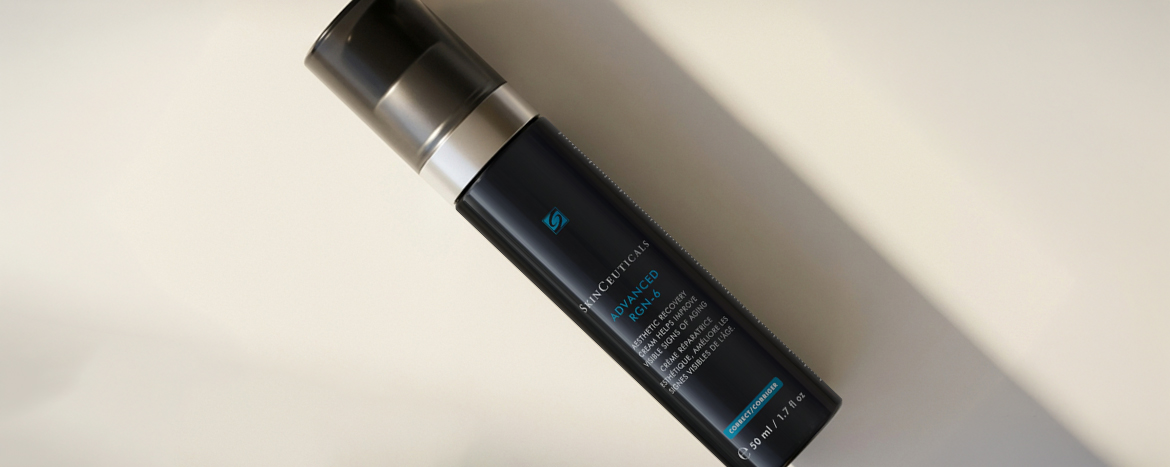
- SkinCeuticals Advanced RGN-6 combines six clinically tested actives including Glyco-Repair, Eperuline, niacinamide, and peptides
- Suitable for all skin types including sensitive skin, and particularly valuable after professional treatments
- Clinical studies indicate visible improvements in skin texture and tone within one week of consistent use
Regenerative skincare supports your skin’s natural repair mechanisms through targeted ingredients that address barrier function, cellular energy, collagen synthesis, and environmental protection. Unlike hydrating or corrective products that provide temporary effects, regenerative formulations work with your skin’s biology to promote visible, lasting improvements in texture, tone, and resilience over time.
What Is Regenerative Skincare? Understanding the Science Behind SkinCeuticals Advanced RGN-6
Regenerative skincare supports your skin’s natural repair mechanisms through targeted ingredients that address barrier function, cellular energy, collagen synthesis, and environmental protection. Unlike hydrating or corrective products that provide temporary effects, regenerative formulations work with your skin’s biology to promote visible, lasting improvements in texture, tone, and resilience over time.
The concept of regeneration in skincare represents a fundamental shift in how we approach skin health. Rather than simply masking concerns or providing surface-level comfort, regenerative formulations address the underlying processes that determine how your skin functions, recovers from stress, and maintains its structural integrity. This approach acknowledges that your skin possesses remarkable inherent capabilities—capabilities that can be supported and enhanced through strategic ingredient selection.
SkinCeuticals Advanced RGN-6 exemplifies this philosophy through a carefully curated formula that addresses six distinct dimensions of skin regeneration. Each dimension corresponds to a specific aspect of skin health, from the protective barrier that shields you from environmental aggressors to the cellular energy production that powers repair processes. Understanding these dimensions provides clarity about what regenerative skincare actually accomplishes and why it differs meaningfully from conventional approaches.
In practice, Dr Alek’s approach emphasises that regenerative skincare forms part of a comprehensive strategy rather than functioning as a standalone solution. Your bespoke skin journey benefits from understanding how regenerative support integrates with cleansing, targeted correction, and daily protection. This article explores the science behind regenerative skincare, examines the specific actives in Advanced RGN-6, and provides practical guidance for incorporating this approach into your routine.
What Regenerative Skincare Actually Means
Regenerative skincare represents a distinct category within the broader landscape of skincare products. The term “regenerative” refers specifically to formulations designed to support your skin’s inherent capacity to repair, renew, and maintain its structural and functional integrity. This approach differs fundamentally from products that provide temporary comfort or surface-level improvement without addressing the biological processes that determine long-term skin health.
Your skin continuously regenerates itself through complex cellular processes. Keratinocytes migrate from the basal layer to the surface over approximately 28 days in younger skin, whilst fibroblasts in the dermis synthesise collagen and elastin that provide structural support. These processes require cellular energy, specific building blocks, and protection from factors that interfere with normal function. Regenerative skincare provides targeted support for these mechanisms rather than simply adding moisture or creating a temporary smoothing effect.
The distinction matters because it shapes realistic expectations about timing and outcomes. Hydrating products can provide immediate comfort by drawing water into the upper skin layers, whilst regenerative formulations work over weeks and months to support visible improvements in how your skin actually functions. This longer timeline reflects the biological reality of skin renewal—meaningful change requires supporting multiple cell cycles rather than creating transient surface effects.
How Regenerative Differs from Hydrating or Corrective Products
Hydrating products focus primarily on water content in the upper skin layers. Ingredients like hyaluronic acid—your skin’s moisture magnet that holds up to 1,000 times its weight in water—draw moisture from the environment and deeper skin layers to plump the surface temporarily. These products provide valuable comfort and can help reduce the appearance of fine lines created by dehydration, but they don’t fundamentally alter how your skin produces lipids, synthesises proteins, or repairs environmental damage.
Corrective products typically target specific visible concerns through concentrated actives. Vitamin C serums help reduce the appearance of pigmentation and provide antioxidant protection. Retinol formulations support cell turnover and help reduce visible signs of ageing gracefully. These products create meaningful improvements, but they work through specific pathways rather than supporting the full spectrum of regenerative processes your skin requires.
Regenerative formulations take a more comprehensive approach by addressing multiple aspects of skin function simultaneously. Advanced RGN-6, for instance, combines barrier-supporting lipids, cellular energy enhancers, collagen-promoting peptides, and antioxidant protection in a single formula calibrated to work synergistically. This multi-dimensional strategy acknowledges that skin health depends on numerous interconnected processes rather than a single factor.
Supporting Rather Than Masking: A Different Philosophy
The philosophical foundation of regenerative skincare rests on supporting rather than overriding your skin’s natural intelligence. Your skin evolved sophisticated repair mechanisms over millions of years—mechanisms that respond to damage, adapt to environmental stress, and maintain protective function. Regenerative products provide the raw materials, energy support, and protective factors these mechanisms require to function optimally rather than attempting to force artificial outcomes.
This approach proves particularly valuable for sensitive or compromised skin that struggles with aggressive interventions. Rather than overwhelming reactive skin with high concentrations of potent actives, regenerative formulations support barrier function and reduce visible redness whilst providing the foundation for other improvements. In clinical consultation, we frequently observe that skin responds more favourably to this supportive approach than to aggressive correction that further compromises barrier integrity.
The masking versus supporting distinction also influences product selection strategy. Products that create immediate dramatic effects often work through temporary mechanisms—silicones that fill fine lines, light-reflecting particles that blur imperfections, or astringents that temporarily tighten pores. These effects disappear when you discontinue the product. Regenerative improvements, whilst slower to manifest, reflect actual changes in how your skin functions and therefore persist with consistent use.
The Six Dimensions of Skin Regeneration
The concept of six dimensions provides a framework for understanding the multiple aspects of skin health that regenerative skincare addresses. Each dimension represents a distinct biological process or structural component that contributes to how your skin looks, feels, and functions. Addressing these dimensions comprehensively creates more noticeable and lasting improvements than targeting individual concerns in isolation.
This multi-dimensional approach reflects current understanding of skin biology, which recognises that various processes interact and influence each other. Barrier compromise, for instance, increases exposure to environmental stressors that generate oxidative damage, which in turn interferes with collagen synthesis and cellular energy production. Supporting one dimension creates positive effects that cascade through interconnected systems rather than producing isolated improvements.
Dimension 1: Barrier Repair and Protection
Your skin’s barrier—the outermost protective layer composed of corneocytes embedded in lipid-rich mortar—determines how effectively your skin retains moisture and excludes irritants. This barrier relies on specific lipids including ceramides, cholesterol, and fatty acids arranged in organised bilayers. When this structure becomes compromised through environmental stress, harsh cleansing, or inflammatory processes, moisture escapes more readily and irritants penetrate more easily.
Supporting barrier function involves providing the lipid components your skin requires to maintain and repair this protective structure. Bioceramide 603 in Advanced RGN-6 supplies ceramide-like molecules that integrate into the barrier structure. Clinical evidence suggests that supporting the lipid barrier helps reduce transepidermal water loss and improves skin’s resilience to environmental stress.
The barrier dimension proves foundational for all other regenerative processes. Compromised barrier function creates a state of chronic low-level inflammation that interferes with normal cellular processes, diverts resources toward damage control rather than renewal, and leaves skin vulnerable to further insult. Establishing robust barrier function creates the stable foundation necessary for other regenerative dimensions to function optimally.
Dimension 2: Reducing Visible Redness and Sensitivity
Visible redness and sensitivity reflect various underlying processes including inflammation, increased blood vessel visibility, and heightened reactivity to environmental triggers. Whilst some redness indicates acute inflammation requiring medical attention, the persistent low-level redness many people experience relates to barrier compromise, environmental stress, and reactive blood vessels near the skin surface.
Supporting this dimension involves ingredients that help calm visible redness and support your skin’s natural protective responses. Eperuline, derived from Eperua falcata bark, helps reduce the appearance of redness through mechanisms that support skin’s natural calming processes. The concentration in Advanced RGN-6 is calibrated to provide visible improvement without overwhelming sensitive skin.
Addressing visible redness proves particularly valuable after professional treatments when skin experiences temporary reactivity, and for individuals with naturally sensitive skin that responds visibly to temperature changes, environmental factors, or topical products. Supporting this dimension improves not only appearance but also comfort, as visible redness often correlates with sensations of tightness, warmth, or reactivity.
Dimension 3: Supporting Cellular Energy Production
Every cellular process in your skin—from synthesising proteins to repairing DNA to transporting nutrients—requires energy in the form of ATP produced primarily in mitochondria. Environmental stressors including UV exposure, pollution, and oxidative damage interfere with mitochondrial function, reducing the energy available for repair and renewal processes. This energy deficit becomes more pronounced as we age gracefully, when mitochondrial efficiency naturally declines.
Supporting cellular energy involves protecting mitochondria from oxidative damage and providing factors that help maintain efficient energy production. Ectoin, an extremophile molecule that protects microorganisms in harsh environments, helps shield cellular structures including mitochondria from environmental stress. This protection helps maintain the energy production necessary for all other regenerative processes.
The cellular energy dimension often receives less attention than more visible concerns like fine lines or pigmentation, yet it fundamentally determines your skin’s capacity to execute all repair and renewal processes. Adequate cellular energy supports collagen synthesis, DNA repair, barrier lipid production, and antioxidant defence—making this dimension truly foundational despite its invisible nature.
Dimension 4: Promoting Collagen and Elastin Synthesis
Collagen and elastin form the structural scaffolding that gives your skin firmness, elasticity, and resistance to gravitational effects. Fibroblasts in the dermis continuously synthesise these proteins, but production naturally declines with age whilst degradation through enzymatic activity and environmental damage continues. This imbalance leads to the visible changes we associate with ageing gracefully—fine lines, reduced firmness, and altered skin texture.
Supporting structural protein synthesis involves providing signals that encourage fibroblast activity and supplying the building blocks necessary for protein production. Acetyl Tetrapeptide-9 in Advanced RGN-6 helps support collagen synthesis through mechanisms that signal fibroblasts to increase production of structural proteins. The 3% concentration provides meaningful support for this regenerative dimension.
This dimension addresses concerns that develop gradually over years rather than appearing suddenly. Supporting collagen and elastin synthesis won’t reverse decades of structural changes within weeks, but consistent support over months and years helps maintain the structural integrity that determines how your skin ages. In practice, this dimension proves most valuable as part of a long-term strategy rather than a quick-fix solution.
Dimension 5: Antioxidant Defence Against Environmental Stress
Environmental factors including UV radiation, pollution, and ozone generate reactive oxygen species that damage cellular structures, interfere with normal processes, and accelerate visible ageing. Your skin possesses inherent antioxidant defence systems, but these can become overwhelmed by excessive environmental stress or depleted through natural ageing processes. Supporting antioxidant defence helps protect against this oxidative damage.
Multiple ingredients in Advanced RGN-6 contribute to this dimension. Niacinamide provides antioxidant protection whilst supporting barrier function and helping reduce the appearance of pores. Ectoin protects cellular structures from environmental stress. This multi-faceted approach acknowledges that antioxidant defence requires various mechanisms working in concert rather than relying on a single pathway.
The antioxidant dimension proves particularly relevant in the South African context, where year-round UV exposure and increasing urban pollution create significant oxidative stress. Supporting this dimension helps protect the investments you make in other aspects of your skin journey by reducing the damage that undermines regenerative processes and accelerates visible ageing.
Dimension 6: Addressing Visible Pigmentation and Uneven Tone
Uneven skin tone and visible pigmentation result from various factors including UV exposure, post-inflammatory changes, and hormonal influences. Melanocytes produce melanin in response to these triggers, and whilst melanin provides valuable UV protection, excessive or uneven production creates the appearance concerns many people seek to address. Supporting even tone involves helping reduce the appearance of existing pigmentation whilst protecting against factors that trigger new production.
Niacinamide helps reduce the appearance of uneven tone through multiple mechanisms, including supporting your skin’s natural processes that influence melanin distribution. The 2% concentration in Advanced RGN-6 provides meaningful support for this dimension whilst remaining suitable for sensitive skin types. This approach complements rather than replaces targeted pigmentation treatments like vitamin C or specialised brightening serums.
Addressing this dimension requires patience, as visible improvements in pigmentation typically manifest over multiple cell turnover cycles—generally 8 to 12 weeks of consistent use. The regenerative approach supports gradual, natural-looking improvement rather than dramatic rapid change that might indicate aggressive intervention potentially unsuitable for sensitive skin or darker skin tones.
Understanding the Advanced RGN-6 Formula
SkinCeuticals Advanced RGN-6 translates the six-dimensional regenerative framework into a specific formulation combining clinically tested actives at concentrations designed to work synergistically. Each ingredient addresses one or more regenerative dimensions, and the overall formula is calibrated to provide comprehensive support without overwhelming skin—a particularly important consideration for sensitive or compromised skin types.
The formulation strategy reflects sophisticated understanding of ingredient interactions and skin penetration. Certain actives work more effectively in combination than isolation, whilst others require specific pH ranges or vehicle systems to maintain stability and efficacy. The Advanced RGN-6 formula addresses these technical considerations whilst maintaining a texture suitable for daily use and compatibility with other products in your routine.
10% Glyco-Repair: The Carob Seed Technology
Glyco-Repair represents a biotechnology-derived ingredient sourced from carob seed extract. At the 10% concentration in Advanced RGN-6, it serves multiple functions within the regenerative framework. Research suggests this ingredient helps support your skin’s natural protective barrier by providing polysaccharides that help retain moisture and support the lipid structure essential for barrier function.
The carob seed technology also helps visibly improve skin texture and smoothness through mechanisms that support the natural exfoliation process. Rather than forcibly removing surface cells through chemical or physical means, Glyco-Repair helps support your skin’s inherent desquamation process—the natural shedding of dead cells that can become disrupted by barrier compromise or ageing.
This ingredient exemplifies the regenerative philosophy of working with your skin’s natural processes rather than overriding them. The 10% concentration provides meaningful support for barrier function and texture without creating the irritation or sensitivity that can accompany more aggressive approaches to addressing these concerns.
1% Eperuline: Eperua Falcata Bark Extract
Eperuline derives from the bark of Eperua falcata, a tree native to the Amazon rainforest. Traditional use of this botanical for skin concerns led to investigation of its potential mechanisms, and research suggests it helps reduce the appearance of visible redness through supporting your skin’s natural calming processes. The 1% concentration in Advanced RGN-6 provides clinically relevant levels of this extract.
This ingredient particularly addresses the second regenerative dimension—reducing visible redness and sensitivity. In clinical consultation, we frequently observe that visible redness correlates with discomfort and reactivity, making this dimension valuable not only for appearance but also for how skin feels and responds to environmental factors and topical products.
The botanical origin of Eperuline reflects growing interest in leveraging traditional knowledge through modern scientific investigation. Whilst the mechanisms remain under study, clinical evidence suggests meaningful improvements in visible redness with consistent use of formulations containing this extract at appropriate concentrations.
2% Niacinamide: The Multi-Functional Vitamin B3
Niacinamide (vitamin B3) stands among the most extensively studied skincare ingredients, with clinical evidence supporting multiple benefits across various regenerative dimensions. At the 2% concentration in Advanced RGN-6, niacinamide helps minimise the appearance of pores, supports your skin’s natural protective barrier, helps reduce visible redness, and helps reduce the appearance of uneven tone and pigmentation.
This ingredient works through numerous pathways. Research suggests niacinamide supports ceramide synthesis, helping maintain barrier lipid structure. It provides antioxidant protection against environmental oxidative stress. It helps support your skin’s natural processes that influence melanin distribution, contributing to more even-looking tone. This multi-functional nature makes niacinamide valuable across multiple regenerative dimensions simultaneously.
The 2% concentration balances efficacy with tolerability. Whilst higher concentrations of niacinamide appear in some formulations, the 2% level in Advanced RGN-6 provides meaningful benefits whilst remaining suitable for sensitive skin types. Clinical experience shows this concentration works synergistically with the other actives in the formula rather than requiring higher levels to demonstrate visible improvement.
3% Acetyl Tetrapeptide-9: Supporting Structural Proteins
Acetyl Tetrapeptide-9 represents a synthetic peptide designed specifically to support collagen synthesis—the fourth regenerative dimension. Peptides are short chains of amino acids that can signal cellular processes, and this particular peptide helps support fibroblast activity related to structural protein production. The 3% concentration in Advanced RGN-6 provides clinically relevant levels of this signalling molecule.
Research suggests Acetyl Tetrapeptide-9 helps support the production of collagen type I, the most abundant collagen in skin that provides structural integrity and firmness. By supporting fibroblast activity, this peptide helps address the natural decline in collagen production that occurs as we age gracefully—a decline that contributes significantly to visible changes in skin firmness and texture.
The peptide approach to supporting collagen synthesis differs from vitamin A derivatives (retinoids) that work through different mechanisms. This makes Acetyl Tetrapeptide-9 suitable for incorporation into routines that may or may not include retinol, and appropriate for individuals whose skin doesn’t tolerate retinoids well. The peptide provides an alternative pathway for supporting structural protein synthesis.
0.2% Ectoin: The Extremophile Protection Factor
Ectoin represents a fascinating ingredient class derived from extremophile microorganisms—organisms that survive in harsh environments like salt lakes and deserts. These organisms produce ectoin to protect their cellular structures from environmental stress, and research suggests similar protective benefits when applied topically to skin. The 0.2% concentration in Advanced RGN-6 provides meaningful protection despite the seemingly small percentage.
This ingredient primarily addresses the cellular energy dimension (dimension three) and antioxidant defence (dimension five). Ectoin helps protect cellular structures including mitochondria from environmental stress, helping maintain the energy production necessary for all regenerative processes. It also provides direct protection against UV-induced damage and pollution-related oxidative stress.
The extremophile origin of ectoin illustrates how skincare science increasingly looks to nature’s solutions for extreme conditions. The molecule’s ability to protect microorganisms in hostile environments translates to helping protect your skin cells from the environmental stressors encountered daily—UV radiation, pollution, temperature extremes, and oxidative damage.
0.2% Bioceramide 603: Lipid Layer Support
Bioceramide 603 provides ceramide-like molecules that support your skin’s barrier function—the foundational first dimension of regeneration. Ceramides constitute approximately 50% of the lipids in your skin’s barrier, and maintaining adequate ceramide levels proves essential for barrier integrity, moisture retention, and protection against environmental irritants.
The 0.2% concentration might appear modest, but ceramides and ceramide-like molecules demonstrate efficacy at relatively low concentrations when formulated appropriately. The key lies in creating molecules that integrate effectively into the existing barrier structure rather than simply sitting on the surface. Bioceramide 603 is designed to support this integration.
Supporting barrier lipids proves particularly valuable for skin that has become compromised through environmental stress, harsh cleansing, or inflammatory processes. By helping restore barrier integrity, Bioceramide 603 creates the foundation necessary for all other regenerative processes to function optimally—making this seemingly modest percentage ingredient fundamentally important to the overall formula strategy.
Who Benefits from Regenerative Skincare
Regenerative skincare provides value across a broader spectrum of skin types, ages, and concerns than many people initially assume. Whilst the approach certainly addresses concerns associated with ageing gracefully—fine lines, reduced firmness, uneven tone—the six-dimensional framework proves equally relevant for younger skin experiencing barrier compromise, environmental stress, or recovery from professional treatments.
The question of who benefits most from regenerative skincare relates less to specific demographics and more to underlying skin conditions and goals. Skin that has become compromised, stressed, or depleted benefits from the comprehensive support regenerative formulations provide. Skin that functions well but faces ongoing environmental challenges benefits from the protective and supportive dimensions. Even well-functioning skin benefits from supporting the natural processes that maintain health and resilience.
Daily Use for All Skin Types Including Sensitive Skin
Advanced RGN-6 is formulated for daily use across all adult skin types, including sensitive skin that often struggles with more aggressive interventions. The calibration of active concentrations and the inclusion of barrier-supporting and calming ingredients make this formula suitable even for reactive skin that requires careful product selection.
Sensitive skin particularly benefits from the regenerative approach because it addresses underlying factors that contribute to sensitivity rather than simply providing temporary comfort. Barrier compromise, inflammation, and environmental stress all increase skin reactivity, and supporting these dimensions through ingredients like Bioceramide 603, Eperuline, and Ectoin helps reduce visible sensitivity over time rather than merely masking symptoms.
In practice, individuals with sensitive skin should introduce any new product gradually, but the regenerative approach generally proves more compatible with reactive skin than aggressive corrective treatments. The philosophy of supporting rather than overriding natural processes aligns well with sensitive skin’s need for gentle, non-irritating interventions that respect rather than challenge skin’s tolerance.
Post-Professional Treatment Recovery
After procedures such as laser treatments, chemical peels, or microneedling, your skin requires targeted support during the recovery period. Professional treatments intentionally create controlled injury to stimulate renewal responses, but this process temporarily compromises barrier function, increases visible redness, and creates a state where supporting regenerative processes proves particularly valuable.
The six-dimensional approach in Advanced RGN-6 addresses multiple aspects of post-treatment recovery simultaneously. Barrier support helps restore protective function. Ingredients that help reduce the appearance of redness support visible recovery. Antioxidant protection helps shield healing skin from environmental stress that could interfere with optimal outcomes. Cellular energy support helps maintain the resources necessary for efficient repair.
Always follow your practitioner’s specific post-treatment protocol, as certain procedures may require particular product avoidance during initial recovery phases. However, once your practitioner indicates you can resume active skincare, regenerative formulations often prove valuable for supporting the extended recovery and renewal process that continues for weeks after visible healing appears complete.
Supporting Skin Through Environmental Stress
Environmental factors including UV exposure, pollution, temperature extremes, and low humidity create ongoing stress that interferes with normal skin function and accelerates visible ageing. Whilst no topical product can completely counteract environmental damage—making daily broad-spectrum sunscreen non-negotiable—regenerative skincare provides valuable support for skin facing these challenges.
The South African context creates particular environmental challenges. Year-round UV exposure, increasing urban pollution in major centres, and climate variations from coastal humidity to inland dryness all stress skin in ways that benefit from regenerative support. The antioxidant defence dimension helps protect against oxidative damage, whilst barrier support helps skin maintain function despite environmental challenges.
For individuals whose lifestyle or location creates significant environmental exposure—outdoor work, urban living, frequent travel—regenerative skincare forms a valuable component of a protective strategy. This approach complements rather than replaces sun protection and other defensive measures, creating a comprehensive response to environmental factors that continuously challenge skin health.
How to Incorporate Advanced RGN-6 into Your Skin Journey
Integrating regenerative skincare into your existing routine requires understanding where it fits within the layering sequence and how it interacts with other products you use. Advanced RGN-6 functions as a treatment cream rather than a basic moisturiser, which influences its placement in your routine and what you might layer over or under it.
The general principle of skincare layering moves from thinnest to thickest consistency, from most active to most protective. Water-based serums apply first, followed by treatment products like Advanced RGN-6, then heavier creams or oils if needed, with sunscreen always finishing morning routines. This sequence allows each product to penetrate appropriately and function optimally.
Morning Routine Placement
In morning application, cleanse your skin thoroughly but gently, then apply any water-based serums you use—vitamin C proves particularly complementary to regenerative support. Allow the serum to absorb for a minute or two, then apply Advanced RGN-6 to face and neck. The regenerative actives will provide support and protection throughout the day whilst you go about your activities.
After Advanced RGN-6 absorbs—typically two to three minutes—apply your broad-spectrum sunscreen. Daily sun protection remains non-negotiable regardless of other products in your routine, and the antioxidant support in Advanced RGN-6 complements but doesn’t replace dedicated UV protection. If you use a separate eye cream, apply it before or after Advanced RGN-6 depending on the eye cream’s consistency.
Some individuals with particularly dry skin may choose to layer an additional moisturiser over Advanced RGN-6 before sunscreen. This proves perfectly acceptable and allows you to customise hydration levels to your skin’s needs and environmental conditions. The regenerative actives in Advanced RGN-6 will still function effectively beneath a moisturiser layer.
Evening Application Considerations
Evening routines allow for more extensive treatment application since you won’t need sunscreen and your skin enters its natural overnight repair mode. After cleansing, apply any water-based serums, then Advanced RGN-6. The regenerative actives will support your skin’s natural overnight renewal processes, and the barrier-supporting ingredients help prevent moisture loss whilst you sleep.
If you use retinol or prescription retinoids, you have options for layering with Advanced RGN-6. Some people prefer applying Advanced RGN-6 first to provide a supportive base, then applying retinol. Others apply retinol first, then Advanced RGN-6. Both approaches work—experiment to determine what your skin tolerates best. The niacinamide in Advanced RGN-6 actually works synergistically with retinoids rather than conflicting.
For individuals whose skin requires additional moisture support, layering a richer cream over Advanced RGN-6 in the evening provides extra hydration and comfort whilst allowing the regenerative actives to function. This proves particularly valuable during winter months or in dry climates where overnight moisture loss can leave skin feeling tight upon waking.
Layering with Other Active Ingredients
Advanced RGN-6 is designed to complement other active ingredients in a comprehensive routine rather than functioning in isolation. The formula works synergistically with vitamin C serums, retinol products, and targeted treatments for specific concerns. Understanding these interactions helps you build a cohesive routine where products enhance rather than interfere with each other.
Vitamin C and niacinamide were once thought to conflict, but current evidence indicates they work well together when formulated appropriately. Apply your vitamin C serum first in the morning, followed by Advanced RGN-6, then sunscreen. This combination provides comprehensive antioxidant protection and supports multiple regenerative dimensions simultaneously.
Retinol and regenerative support prove highly complementary. Retinol promotes cell turnover and collagen synthesis through specific pathways, whilst Advanced RGN-6 supports barrier function, reduces visible redness, and provides the cellular energy support that helps skin tolerate retinol more comfortably. This combination often proves more effective than either approach alone, particularly for individuals ageing gracefully who want comprehensive support.
What Clinical Evidence Shows
Clinical studies provide valuable insight into what realistic expectations should be when incorporating regenerative skincare into your routine. Whilst individual results vary based on numerous factors including age, skin condition, environmental exposure, and consistency of use, clinical evidence offers general guidance about timing and magnitude of visible improvements.
Understanding clinical evidence also helps distinguish between marketing claims and scientifically supported outcomes. Not all “clinical studies” carry equal weight—factors including study design, participant numbers, measurement methods, and funding sources all influence reliability. When evaluating claims, consider whether studies were conducted independently, used objective measurement tools, and included sufficient participants to draw meaningful conclusions.
Visible Improvements Within One Week
Clinical studies of Advanced RGN-6 indicate that some visible improvements manifest within one week of consistent use. These early changes typically relate to barrier function and hydration—skin may appear more comfortable, less tight, and more radiant as barrier support takes effect. Visible redness may begin diminishing as calming ingredients take effect.
These one-week improvements, whilst valuable, represent the beginning of the regenerative process rather than the full extent of benefits. Early changes often relate to surface-level effects—improved barrier function reduces moisture loss, creating visible plumping and radiance. Deeper structural changes require longer timeframes reflecting the biological reality of cell turnover and protein synthesis.
In practice, these early improvements prove motivating, providing tangible feedback that the product is functioning and your skin is responding. However, continuing use beyond this initial week proves essential for realising the full spectrum of regenerative benefits, particularly those relating to structural proteins and cellular function that require weeks to months to manifest visibly.
Twelve-Week Study Observations
Extended studies over twelve weeks reveal more substantial improvements in multiple regenerative dimensions. Visible improvements in skin texture, firmness, and tone become more apparent as collagen synthesis increases, cellular energy production improves, and accumulated environmental damage receives ongoing antioxidant protection. These longer-term benefits reflect the deeper regenerative processes the formula supports.
The twelve-week timeframe aligns with biological skin renewal cycles. Your skin’s natural cell turnover takes approximately 28 days in younger skin and extends to 40-60 days as we age gracefully. Meaningful structural changes in collagen and elastin require multiple cycles of synthesis and remodelling. Twelve weeks provides sufficient time for these deeper processes to create visible outcomes.
Real World Case Series: Integrated Skincare With Advanced RGN‐6 Serum J Cosmet Dermatol. 2025 Jul 25;24(Suppl 2):e70303. doi: 10.1111/jocd.70303
Clinical observations at twelve weeks typically include visible improvements in fine lines and wrinkles, enhanced skin firmness, more even tone, improved texture, and overall radiance. Individual results vary, but the pattern suggests that consistent use over months creates cumulative benefits that build upon the early improvements observed in the first week.
Setting Realistic Expectations
Regenerative skincare provides meaningful visible improvements, but it cannot reverse decades of structural changes or completely counteract ongoing environmental damage without comprehensive protection strategies. Realistic expectations acknowledge both the genuine benefits clinical evidence supports and the limitations inherent in topical interventions.
Factors that influence individual outcomes include your age when beginning regenerative skincare, your skin’s current condition, environmental exposures you face, consistency of product use, and whether you’re combining regenerative support with other effective interventions like sun protection and targeted treatments. Someone beginning regenerative skincare at 35 with mild concerns will experience different outcomes than someone beginning at 55 with advanced visible ageing.
In clinical consultation, Dr Alek’s approach emphasises that regenerative skincare forms one component of a comprehensive strategy rather than a standalone solution. Combining regenerative support with daily broad-spectrum sun protection, appropriate cleansing, targeted treatments for specific concerns, and professional procedures when indicated creates more substantial outcomes than any single intervention alone. Your bespoke skin journey benefits from this integrated approach.
The South African Context: Why Regenerative Support Matters
South Africa’s unique environmental conditions create specific challenges that make regenerative skincare particularly valuable. The country’s location provides year-round UV exposure that exceeds levels experienced in many other regions, whilst urban centres face increasing pollution levels that contribute to oxidative stress. Understanding these contextual factors helps explain why supporting your skin’s regenerative processes proves especially important in this environment.
Seasonal variations from coastal to inland regions create additional considerations. Coastal areas experience high humidity that can benefit skin hydration but also increase exposure to salt and environmental oxidants. Inland regions face lower humidity, particularly during winter, creating moisture loss challenges that compromise barrier function. Supporting skin’s regenerative capacity helps maintain function across these varying conditions.
Year-Round UV Exposure and Skin Stress
South Africa’s position relative to the equator and the Antarctic ozone hole creates UV exposure levels that remain significant throughout the year, not merely during summer months. This consistent UV exposure generates ongoing oxidative stress, interferes with collagen synthesis, and accelerates visible ageing processes. Whilst daily broad-spectrum sunscreen remains essential primary protection, regenerative skincare provides valuable secondary support.
The antioxidant defence dimension of regenerative skincare proves particularly relevant in high-UV environments. Ingredients like niacinamide and Ectoin help protect against oxidative damage that UV exposure generates, supporting your skin’s inherent defence mechanisms that can become overwhelmed by excessive exposure. This protection helps preserve the investments you make in other aspects of your skincare routine.
UV exposure also compromises barrier function over time, creating the dry, rough texture many South Africans experience despite living in a relatively temperate climate. The barrier-supporting ingredients in regenerative formulations help counteract this UV-induced barrier damage, maintaining your skin’s protective function despite ongoing environmental challenge.
Supporting Skin Through Seasonal Changes
Whilst South Africa doesn’t experience the extreme seasonal variations of higher latitudes, the transition between summer and winter still creates meaningful changes in environmental conditions that affect skin. Summer brings increased UV intensity, higher temperatures, and often higher humidity, whilst winter delivers drier air, lower humidity, and continued significant UV exposure despite cooler temperatures.
Regenerative skincare’s multi-dimensional approach provides consistent support across these seasonal variations. The barrier-supporting ingredients help prevent moisture loss during dry winter months, whilst antioxidant protection remains valuable year-round. The formula’s ability to address multiple dimensions simultaneously means you don’t need to completely reformulate your routine with each seasonal change—the regenerative support remains relevant regardless of season.
In practice, you might adjust what you layer with Advanced RGN-6 seasonally—perhaps adding a richer moisturiser over it during winter or using a lighter complementary product during humid summer months—but the regenerative foundation remains consistent. This simplifies your skincare approach whilst ensuring your skin receives comprehensive support throughout the year.
Building Your Bespoke Regenerative Routine
Your skin journey benefits from a curated approach that combines regenerative support with other essential elements—thorough cleansing, targeted treatments for specific concerns, and protective measures against environmental damage. Building this routine requires understanding how different product categories function and where regenerative skincare fits within the overall strategy.
The concept of a bespoke routine acknowledges that individual needs vary based on skin type, specific concerns, age, environmental exposure, and personal preferences. Whilst certain fundamentals apply universally—cleansing, sun protection—the specific products and active ingredients that comprise your optimal routine depend on your unique situation. This personalised approach proves more effective than following generic recommendations that don’t account for individual variation.
Complementary Products in a Regenerative Approach
Regenerative skincare functions most effectively as part of a comprehensive routine rather than in isolation. Thorough cleansing removes the environmental debris, excess sebum, and product buildup that can interfere with active ingredient penetration. A quality cleanser suited to your skin type creates the clean canvas necessary for regenerative actives to function optimally.
Targeted serums address specific concerns that benefit from concentrated actives. Vitamin C serums provide additional antioxidant protection and help reduce the appearance of pigmentation. Hyaluronic acid serums deliver intensive hydration that complements the barrier support in regenerative formulations. These targeted treatments work synergistically with regenerative support rather than duplicating or conflicting with it.
Daily broad-spectrum sunscreen remains non-negotiable regardless of other products in your routine. Sun protection prevents the UV damage that regenerative skincare helps your skin recover from—making sunscreen the most important protective measure in any routine. Formulations such as those available through your curated SkinMiles destination ensure you receive quality sun protection that works compatibly with your regenerative support.
When to Seek Professional Guidance
Whilst regenerative skincare provides valuable support for numerous concerns, certain situations benefit from professional consultation. Persistent concerns that don’t respond to consistent skincare use may indicate underlying conditions requiring medical evaluation. Significant changes in skin appearance, texture, or function warrant professional assessment to rule out conditions requiring treatment beyond cosmetic skincare.
Dr Alek’s clinical approach emphasises that professional guidance proves particularly valuable when building a comprehensive anti-ageing strategy, addressing complex concerns like advanced pigmentation or scarring, or recovering from professional treatments. A consultation provides personalised assessment of your skin’s current condition, identification of priority concerns, and recommendations for the most effective combination of products and potentially professional treatments.
Professional guidance also helps navigate the overwhelming array of products and claims in the skincare marketplace. An expert assessment cuts through marketing noise to identify what your specific skin actually needs, potentially saving you time and money spent on products that don’t address your priority concerns. This guided-not-guessed approach proves more efficient than trial-and-error experimentation.
You’ve arrived at a destination where regenerative skincare forms part of a comprehensive, scientifically grounded approach to supporting your skin’s natural capacity for renewal and repair. Understanding the six dimensions of regeneration, the specific actives that support each dimension, and how to incorporate this approach into your bespoke routine empowers you to make informed decisions about your skin journey. Regenerative support, combined with protection, targeted treatment, and consistent care, creates the foundation for skin that reflects your investment in its health and resilience.
—
Frequently Asked Questions
Q1: What makes regenerative skincare different from regular moisturisers?
Regenerative skincare supports your skin’s natural repair mechanisms through targeted active ingredients, whilst moisturisers primarily provide hydration and temporary comfort. Regenerative formulations work with your skin’s biology to promote lasting improvements in barrier function, cellular energy, and structural protein synthesis rather than simply adding moisture to the surface.
Q2: Can I use SkinCeuticals Advanced RGN-6 if I have sensitive skin?
Clinical evidence suggests Advanced RGN-6 is suitable for sensitive skin types. The formula includes Ectoin, which helps protect skin from environmental stress, and the concentration of actives is calibrated to support skin function without overwhelming it. In practice, we observe that the barrier-supporting ingredients often help reduce sensitivity over time. However, if you have reactive skin, consider introducing the product gradually.
Q3: How long does it take to see visible results from regenerative skincare?
Clinical studies indicate visible improvements in skin texture and tone within one week of consistent use, with continued enhancement observed over twelve weeks. This timeline reflects your skin’s natural cell turnover cycle, which typically takes 28 days in younger skin and extends to 40-60 days as we age. Regenerative skincare works with these biological processes rather than against them.
Q4: Should I use Advanced RGN-6 in the morning or evening?
Advanced RGN-6 can be incorporated into both morning and evening routines. In morning application, layer it after vitamin C serum and before sunscreen to provide antioxidant support and barrier protection throughout the day. Evening application allows the regenerative actives to support your skin’s natural overnight repair processes. Many people find benefit in twice-daily use.
Q5: Is regenerative skincare only for mature skin?
Regenerative skincare benefits all adult skin types, not exclusively mature skin. Whilst the approach supports concerns associated with ageing gracefully—such as fine lines and loss of firmness—the six dimensions of regeneration also address barrier compromise, environmental stress, and uneven tone that affect younger skin. Supporting your skin’s natural repair processes is valuable at any age.
Q6: Can I use Advanced RGN-6 alongside retinol or vitamin C?
Advanced RGN-6 is designed to complement other active ingredients in your routine. The niacinamide (vitamin B3) content actually works synergistically with both retinol and vitamin C. Apply vitamin C first in your morning routine, followed by Advanced RGN-6, then sunscreen. In the evening, you can apply Advanced RGN-6 before or after retinol depending on your skin’s tolerance and the specific retinol formulation you’re using.
Q7: What does ‘post-professional treatment recovery’ mean?
After procedures such as laser treatments, chemical peels, or microneedling, your skin requires targeted support to help reduce the appearance of redness and promote visible recovery. The six-dimensional approach in Advanced RGN-6 addresses the specific concerns that arise during this recovery period: barrier support, visible redness reduction, and cellular energy support. Always follow your practitioner’s specific post-treatment protocol.
Q8: How does niacinamide in Advanced RGN-6 support skin?
Niacinamide (vitamin B3) is a multi-functional ingredient that helps minimise the appearance of pores, supports your skin’s natural protective barrier, and helps reduce visible redness. At the 2% concentration in Advanced RGN-6, it works alongside the other actives to promote more even-looking skin tone and texture. Clinical experience shows niacinamide is generally well-tolerated even by sensitive skin types.
Q9: Do I still need a separate moisturiser if I use Advanced RGN-6?
Advanced RGN-6 is a regenerative treatment cream rather than a basic moisturiser. Whilst it contains hydrating ingredients like Glyco-Repair and barrier-supporting lipids, many people find benefit in layering a complementary moisturiser over it, particularly if they have dry skin or live in harsh climates. In practice, skin needs vary—some find Advanced RGN-6 provides sufficient hydration, whilst others prefer additional moisture support.
Q10: Why is barrier repair considered a dimension of regeneration?
Your skin’s barrier—the outermost protective layer—is fundamental to all other skin functions. When this barrier is compromised, moisture escapes more easily, environmental irritants penetrate more readily, and your skin struggles to maintain its natural repair processes. Supporting barrier function through ingredients like Bioceramide 603 and Glyco-Repair creates the foundation for all other regenerative processes to function optimally.