

Mineral makeup formulation determines whether products support or compromise skin health through particle engineering, pigment concentration, and botanical integration—understanding these factors guides your bespoke makeup selection.
- Particle size in mineral formulations directly affects pore-clogging potential and skin breathability
- Clean beauty mineral makeup combines inorganic pigments with botanical actives for enhanced skin compatibility
- Non-comedogenic certification requires specific formulation standards beyond simple ingredient lists
- South African climate demands mineral formulations that balance coverage with skin barrier support
- Professional mineral cosmetics distinguish themselves through clinical testing and dermatological oversight
Mineral makeup formulation determines skin compatibility through particle size, pigment concentration, and botanical actives. Non-occlusive formulations with micronised zinc oxide and titanium dioxide support skin’s natural protective function whilst providing coverage, making them suitable for sensitive and acne-prone skin types.
Mineral Makeup in South Africa: How Formulation Impacts Skin Compatibility
Mineral makeup formulation determines skin compatibility through particle size, pigment concentration, and botanical actives. Non-occlusive formulations with micronised zinc oxide and titanium dioxide support skin’s natural protective function whilst providing coverage, making them suitable for sensitive and acne-prone skin types.
The mineral makeup market has expanded considerably, yet formulation quality varies dramatically between brands. Understanding what distinguishes professionally formulated mineral cosmetics from mass-market alternatives empowers you to make informed choices for your unique skin journey. In practice, Dr Alek’s approach emphasises that ingredient lists tell only part of the story—how those ingredients are processed, combined, and stabilised determines whether mineral makeup supports or compromises skin health.
South African consumers face specific challenges: intense UV exposure, diverse skin tones requiring precise undertone matching, and climate variations that test makeup performance. What we frequently observe in clinical consultation is that individuals seeking mineral makeup often have sensitive or acne-prone skin, making formulation integrity essential rather than optional. This comprehensive guide examines the clinical and cosmetic science behind mineral makeup formulation, providing you with a framework to evaluate products beyond marketing claims.
Your curated mineral makeup collection should work synergistically with your dermatology-based skincare routine, not against it. Formulations that respect skin barrier function, provide buildable coverage, and exclude common irritants represent the destination for those who’ve struggled with conventional cosmetics. As far as your mineral makeup journey is concerned, understanding formulation science helps ensure you’ve arrived at products worthy of your skin.
Understanding Mineral Makeup Formulation: Beyond the Ingredient List
What Defines Authentic Mineral Makeup
Authentic mineral makeup centres on inorganic mineral pigments as primary colourants and coverage agents. Zinc oxide, titanium dioxide, and iron oxides form the foundation, with additional minerals like mica providing luminosity. However, the “mineral makeup” designation lacks regulatory definition, allowing brands considerable latitude in formulation whilst maintaining the label.
Professional mineral cosmetics distinguish themselves through purity standards and processing methods. Pharmaceutical-grade minerals undergo rigorous testing for heavy metal contamination—a concern with minerals sourced from regions with less stringent quality controls. Formulations such as those curated by SkinMiles prioritise brands that provide transparent sourcing information and third-party testing verification.
What we frequently observe is that consumers assume “mineral” automatically means “clean” or “non-toxic”. Whilst mineral pigments themselves are chemically stable and generally well-tolerated, supporting ingredients determine overall formulation safety. Binding agents, preservatives, and texture enhancers can introduce sensitivity triggers. Reading beyond the prominent “mineral makeup” claim to examine complete formulation becomes essential.
The distinction between mineral makeup and mineral-based makeup matters clinically. True mineral formulations feature minerals as predominant ingredients by weight. Mineral-based products may contain significant synthetic components alongside mineral pigments. Neither approach is inherently superior, but transparency about formulation philosophy allows informed selection aligned with your skin’s specific needs.
The Role of Particle Size in Skin Compatibility
Particle size represents one of the most critical formulation variables affecting both cosmetic performance and skin compatibility. Mineral pigments can be processed to various sizes, each offering distinct advantages and considerations. Micronised particles—typically ranging from 0.1 to 10 micrometres—provide the optimal balance for most skin types.
These micronised minerals offer several benefits: they blend more seamlessly into skin, provide buildable coverage without appearing chalky, and remain too large to penetrate intact skin barriers. This size range delivers cosmetic elegance whilst respecting skin’s protective function. In clinical consultation, Dr Alek’s approach emphasises that particle size directly influences whether mineral makeup feels lightweight or sits heavily on skin surface.
Larger, non-micronised particles create more opaque coverage but can appear thick and difficult to blend. They may settle into fine lines or emphasise skin texture. Conversely, these larger particles offer maximum assurance against skin penetration—a consideration for individuals with severely compromised barriers or specific medical concerns.
The formulation challenge lies in achieving consistent particle size distribution. Poor-quality processing results in irregular particle sizes that compromise both application and wear. Professional formulations invest in controlled milling and screening processes to ensure uniform particle distribution, directly impacting the product’s skin feel and coverage capabilities.
Micronised vs Nano-Particles: Clinical Implications
Nano-particles—defined as materials with at least one dimension below 100 nanometres—have generated both cosmetic innovation and clinical discussion. These ultra-fine particles provide exceptional transparency, making them particularly appealing for sunscreen applications where visible white cast is undesirable. However, their use in mineral makeup warrants careful consideration.
Research suggests that nano-particles of zinc oxide and titanium dioxide generally do not penetrate healthy, intact skin barriers. The stratum corneum effectively prevents passage of particles this size under normal conditions. However, compromised skin barriers—from conditions like eczema, active acne, or over-exfoliation—may theoretically allow greater penetration. Clinical experience shows that most individuals tolerate nano-particle formulations without issue, but those with severely sensitised skin may prefer micronised alternatives for additional assurance.
Regulatory bodies in various jurisdictions have examined nano-particle safety extensively. Current evidence supports their use in cosmetic formulations when properly manufactured and stabilised. What matters clinically is that brands using nano-particles employ appropriate coating technologies to prevent particle aggregation and ensure stability throughout product shelf life.
For South African consumers, the practical consideration centres on formulation transparency. Brands should clearly indicate particle size ranges, allowing informed choice based on individual comfort levels and skin barrier status. Your bespoke skincare journey may include nano-particle formulations if your skin barrier functions optimally, or you may prefer micronised options if you’re managing barrier compromise.
Core Mineral Pigments: How Formulation Affects Performance
Zinc Oxide: Formulation Variables That Matter
Zinc oxide serves dual purposes in mineral makeup: it provides white pigment for coverage and offers broad-spectrum UV protection. However, formulation variables significantly impact how this mineral performs on skin. The grade of zinc oxide—cosmetic versus pharmaceutical—affects purity and potential for contamination with trace elements.
Processing method influences both cosmetic elegance and functional performance. Uncoated zinc oxide particles can feel drying on skin and may exhibit photocatalytic activity when exposed to UV light, potentially generating free radicals. Professional formulations typically employ coated zinc oxide, where particles are encapsulated with materials like dimethicone or aluminium compounds. This coating improves skin feel, enhances dispersion in the formulation, and minimises photocatalytic concerns.
Concentration matters significantly. Formulations containing 5-10% zinc oxide provide meaningful coverage and some UV protection. Higher concentrations—15-25%—offer more substantial sun defence but may feel heavier on skin. What we frequently observe is that individuals with acne-prone skin often benefit from zinc oxide’s sebum-managing properties, but excessive concentrations can emphasise dry patches.
The particle size of zinc oxide specifically affects both transparency and UV protection capabilities. Micronised zinc oxide (typically 200-300 nanometres) balances cosmetic acceptability with effective UV scattering. Nano-zinc oxide provides superior transparency but may offer slightly different UV protection profiles. Formulations combining particle sizes can optimise both coverage and sun defence—a sophisticated approach seen in professionally curated mineral cosmetics.
Titanium Dioxide: Coverage vs Skin Barrier Function
Titanium dioxide provides exceptional opacity and coverage, making it invaluable for concealing redness, hyperpigmentation, and uneven skin tone. Like zinc oxide, titanium dioxide offers UV protection, primarily in the UVB range. Formulation decisions around this mineral significantly impact both cosmetic performance and skin compatibility.
The rutile and anatase forms of titanium dioxide exhibit different properties. Rutile titanium dioxide, more commonly used in cosmetics, offers superior UV protection and greater chemical stability. Anatase forms show higher photocatalytic activity, making them less suitable for leave-on cosmetic applications. Professional formulations specify rutile titanium dioxide and employ appropriate coatings to further enhance stability.
Coating technologies for titanium dioxide serve multiple functions: they improve dispersion in oil and water phases, reduce photocatalytic potential, and enhance skin feel. Common coatings include alumina, silica, and various silicones. These surface treatments allow titanium dioxide to integrate smoothly into formulations without clumping or creating a chalky appearance.
Concentration balancing proves critical. Whilst titanium dioxide provides excellent coverage, excessive amounts create an overly opaque, mask-like appearance. Formulations for melanin-rich skin require careful titanium dioxide concentration to avoid ashy undertones. In practice, successful formulations balance titanium dioxide with iron oxides to achieve coverage that complements rather than obscures natural skin tone—particularly important for South African consumers with diverse skin tones.
Iron Oxides: Pigment Concentration and Skin Response
Iron oxides provide the colour spectrum in mineral makeup, ranging from yellow and red to brown and black. These pigments determine shade accuracy and undertone matching. Formulation sophistication becomes evident in how brands blend iron oxide ratios to create shades that complement diverse skin tones rather than simply lightening or darkening a base formula.
Purity of iron oxides directly affects skin compatibility. Cosmetic-grade iron oxides undergo purification to remove potential contaminants and ensure consistent colour. Lower-grade pigments may contain trace heavy metals or exhibit batch-to-batch colour variation. Professional mineral cosmetics invest in premium iron oxides to ensure both safety and colour consistency.
Concentration affects both coverage and skin feel. Higher pigment loads provide more substantial coverage but can feel heavier on skin. Formulations balancing pigment concentration with texture modifiers create buildable coverage—allowing light application for everyday wear and layering for more substantial concealing when needed. This flexibility serves various occasions and preferences within your curated makeup collection.
The particle size and surface treatment of iron oxides influence colour intensity and blendability. Finely milled, surface-treated iron oxides disperse more evenly in formulations and blend more seamlessly on skin. What we frequently observe is that formulations with poorly processed iron oxides can appear patchy or separate on skin throughout the day, whilst professionally formulated products maintain colour integrity and even coverage.
Non-Comedogenic Formulation: What Clinical Standards Actually Mean
Testing Protocols for Comedogenicity Claims
The term “non-comedogenic” appears frequently on mineral makeup packaging, yet understanding what this claim actually signifies requires examining testing protocols. Legitimate non-comedogenic verification involves applying products to human or animal skin models and assessing comedone formation over time. However, standardised testing protocols vary, and regulatory oversight of these claims remains limited in many jurisdictions.
The rabbit ear assay, whilst controversial, has historically served as a screening method for comedogenic potential. More relevant human testing involves applying products to individuals’ backs (where sebaceous glands are abundant) under occlusion, then examining for microcomedone formation. These protocols require weeks of application and microscopic examination—representing significant investment that distinguishes professionally tested formulations from those making unsubstantiated claims.
Individual ingredient comedogenicity ratings provide some guidance but don’t predict complete formulation behaviour. Ingredients may behave differently when combined, and concentration significantly affects comedogenic potential. An ingredient considered comedogenic at 10% concentration may prove non-problematic at 2%. This complexity explains why complete formulation testing matters more than individual ingredient assessment.
For consumers navigating mineral makeup selection, seeking brands that provide testing documentation or work with dermatological oversight offers greater assurance than simply accepting marketing claims. Formulations curated by skincare destinations like SkinMiles undergo evaluation beyond ingredient lists, considering clinical evidence and dermatological standards when selecting products for acne-prone skin.
Common Formulation Pitfalls That Compromise Non-Comedogenic Status
Even mineral-based formulations can compromise non-comedogenic status through supporting ingredient selection. Binding agents and oils that provide desirable texture may simultaneously increase pore-clogging potential. Isopropyl myristate, whilst creating smooth application, shows comedogenic potential in clinical testing. Similarly, certain coconut-derived ingredients, despite their natural origin, may trigger breakouts in susceptible individuals.
Excessive mica content, whilst providing luminosity, can accumulate in pores if not properly formulated. The particle size and surface treatment of mica influence this behaviour. Professional formulations balance aesthetic appeal with pore compatibility, using treated mica at concentrations that enhance rather than compromise skin compatibility.
Preservation systems present another formulation challenge. Whilst necessary for product safety, certain preservatives can irritate acne-prone skin or contribute to comedone formation. Formulations balancing microbial safety with skin compatibility often employ multiple preservatives at lower concentrations rather than high levels of single preservatives—a more sophisticated but costly approach.
What we frequently observe in clinical consultation is that individuals may tolerate mineral makeup on most facial areas but experience breakouts along the jawline or chin—areas where makeup may mix with natural oils and potentially occlude pores. This pattern suggests formulation matters as much as application habits. Non-occlusive formulations that allow skin to breathe whilst providing coverage represent the goal for acne-prone skin types.
Botanical Actives in Professional Mineral Cosmetics
How Plant Extracts Enhance Mineral Formulations
Botanical actives integrated into mineral makeup formulations can provide benefits beyond coverage. Antioxidant-rich extracts like green tea or grape seed help protect skin from environmental stressors throughout wear time. These additions transform mineral makeup from purely cosmetic coverage to products that support skin’s natural protective function whilst concealing imperfections.
Hydrating botanicals such as aloe vera or chamomile can help counteract the potentially drying effects of mineral pigments, particularly for individuals with dry or sensitive skin. These extracts improve product texture and skin feel whilst providing soothing properties. However, formulation expertise determines whether botanical additions enhance or compromise the product.
The challenge lies in incorporating water-soluble plant extracts into predominantly powder-based mineral formulations. Liquid mineral makeup allows easier botanical integration, whilst pressed powder formulations require careful processing to maintain stability. Spray-dried or encapsulated botanical extracts can be incorporated into powder formulations without compromising shelf stability—a technique employed in professionally formulated mineral cosmetics.
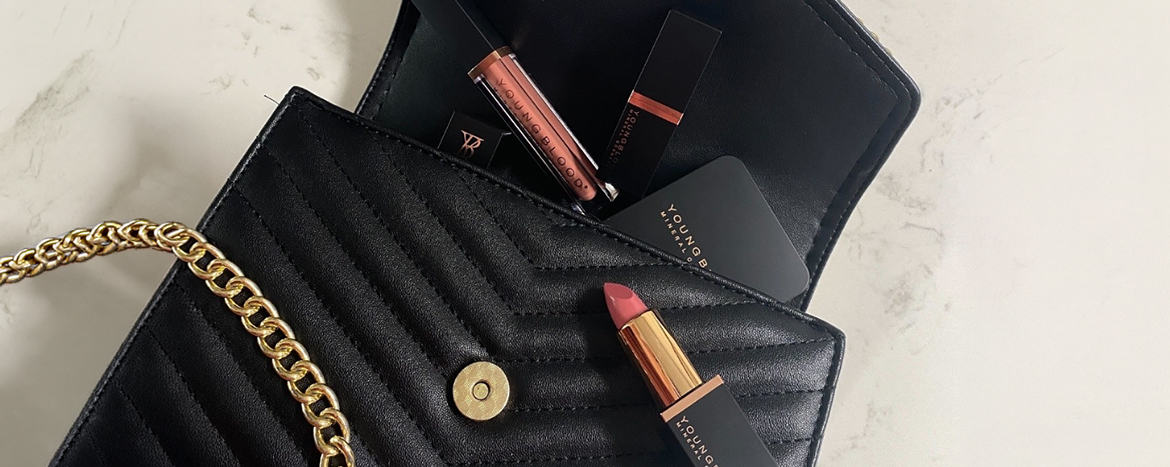
YOUNGBLOOD Liquid Mineral Foundation
Concentration matters significantly. Trace amounts of botanical extracts serve primarily marketing purposes, whilst meaningful concentrations require careful formulation to maintain product stability and prevent microbial contamination. Your bespoke mineral makeup collection should feature formulations where botanical actives are present at concentrations that provide genuine benefit, not simply label appeal.
Preservation Systems in Clean Beauty Mineral Makeup
Preservation represents one of the most critical yet underappreciated aspects of mineral makeup formulation. Whilst pure mineral pigments are inherently stable, complete formulations—particularly those containing botanical extracts or liquid components—require protection against microbial contamination. Clean beauty mineral makeup must balance preservation efficacy with ingredient philosophy.
Traditional preservatives like parabens have fallen from favour in clean beauty formulations, prompting reformulation with alternative preservation systems. Phenoxyethanol, often combined with organic acids like sorbic or benzoic acid, provides broad-spectrum antimicrobial protection. However, these alternatives may require higher concentrations than traditional preservatives, and some individuals experience sensitivity to specific alternative preservatives.
Natural preservation systems utilising essential oils or plant-derived antimicrobials present formulation challenges. Whilst appealing from a marketing perspective, these systems may provide less robust protection and can themselves trigger sensitivity reactions. Essential oils contain numerous compounds, some of which are known irritants or allergens. Clinical experience shows that “naturally preserved” doesn’t automatically mean “better tolerated”.
What distinguishes professional formulations is appropriate preservation for product format and intended use. Powder mineral makeup requires less aggressive preservation than liquid formulations. Products in jars, exposed to repeated finger contact, need more robust preservation than pump-dispensed products. Formulation sophistication considers these variables, providing adequate microbial protection without over-preserving or using preservation systems that compromise skin compatibility.
Formulating for Sensitive Skin: The Botanical Balance
Sensitive skin requires particularly thoughtful formulation approaches. Whilst botanical actives can provide beneficial properties, they also introduce potential allergens and irritants. The formulation challenge lies in selecting botanicals with strong safety profiles whilst excluding common sensitivity triggers like essential oils or fragrant plant extracts.
Chamomile, calendula, and colloidal oatmeal represent botanicals with established soothing properties and relatively low sensitisation potential. These ingredients can help calm skin whilst providing textural benefits to mineral formulations. However, even generally well-tolerated botanicals can trigger reactions in highly sensitised individuals, making patch testing advisable when introducing new products.
The concentration and processing method of botanical extracts significantly affect their behaviour in formulations and on skin. Whole plant extracts contain numerous compounds, some beneficial and others potentially irritating. Standardised extracts, where specific active compounds are concentrated, offer more predictable performance but may lose the synergistic benefits of whole plant materials.
Dr Alek’s approach emphasises that sensitive skin formulations benefit from minimalism—including only ingredients that serve clear functional purposes rather than extensive botanical blends that increase sensitivity risk. Professional mineral cosmetics for sensitive skin typically feature shorter ingredient lists with carefully selected, clinically supported botanicals rather than lengthy exotic plant extract lists that primarily serve marketing objectives.
Formulation Considerations for South African Skin Types
Climate Impact on Mineral Makeup Performance
South African climate presents unique challenges for mineral makeup formulation and performance. Coastal humidity, inland aridity, and intense UV exposure across regions require formulations that maintain coverage and skin compatibility under varied conditions. What performs beautifully in temperate climates may fail in Johannesburg’s dry winters or Cape Town’s summer humidity.
Humidity affects how mineral makeup adheres to and wears on skin. In humid conditions, sebum production often increases, potentially causing makeup to separate or slide. Formulations incorporating sebum-absorbing minerals like kaolin or silica help manage excess oil without over-drying skin. These additions improve wear time and maintain coverage integrity throughout the day.
Aridity presents opposite challenges. Mineral pigments can emphasise dry patches or flaking skin, creating an unflattering appearance. Formulations for dry climates benefit from hydrating bases or humectant additions that help mineral pigments blend seamlessly with skin rather than sitting atop dry surface cells. Liquid or cream mineral formulations often perform better than pure powder formulations in very dry conditions.
YOUNGBLOOD Hydrating Liquid Lip Cr?me
UV intensity throughout South Africa makes sun protection a critical formulation consideration. Whilst zinc oxide and titanium dioxide provide inherent UV protection, relying solely on mineral makeup for sun defence proves inadequate. Formulations should complement, not replace, dedicated broad-spectrum sunscreen. Layering mineral makeup over proper sun protection creates comprehensive defence against South African sun exposure whilst providing desired coverage.
Melanin-Rich Skin and Mineral Pigment Selection
Formulating mineral makeup for melanin-rich skin requires sophisticated understanding of undertones and pigment behaviour. South Africa’s diverse population demands shade ranges that genuinely serve various skin tones rather than simply extending a limited palette. Iron oxide ratios become particularly critical for creating shades that complement rather than clash with natural undertones.
Melanin-rich skin often exhibits warm or golden undertones that require specific red and yellow iron oxide balances. Formulations with excessive titanium dioxide or insufficient iron oxide appear ashy or grey on deeper skin tones. Professional formulations for diverse skin tones feature higher pigment loads and carefully calibrated iron oxide ratios to ensure colour accuracy across the spectrum.
The challenge extends beyond shade matching to coverage requirements. Hyperpigmentation, a common concern in melanin-rich skin, requires buildable coverage that conceals without appearing mask-like. Formulations must provide sufficient pigment density for effective concealing whilst maintaining natural appearance. This balance distinguishes professional mineral cosmetics from mass-market alternatives that may offer darker shades without appropriate coverage capabilities.
What we frequently observe is that individuals with melanin-rich skin have been underserved by mineral makeup brands that treat darker shades as afterthoughts rather than formulating intentionally for diverse skin tones. Curated collections that prioritise brands with genuine commitment to shade inclusivity—demonstrated through extensive shade ranges and appropriate undertone variations—serve South African consumers more effectively than brands with token dark shade offerings.
UV Protection Through Mineral Formulation
Zinc oxide and titanium dioxide provide broad-spectrum UV protection through physical light scattering and absorption. However, the UV protection offered by mineral makeup depends on multiple formulation variables beyond simple mineral presence. Particle size, concentration, and formulation base all influence photoprotective capabilities.
Larger mineral particles scatter UV light more effectively, whilst nano-particles may offer different protection profiles. Formulations combining particle sizes can optimise UV defence across UVA and UVB spectrums. However, even well-formulated mineral makeup typically provides SPF 15-20 at best—insufficient as sole sun protection for South African conditions where SPF 30-50 is advisable.
The application thickness and coverage uniformity of mineral makeup significantly affect actual UV protection delivered. Whilst laboratory testing may show SPF 20, real-world application typically uses less product than testing protocols, reducing effective protection. Additionally, makeup is often applied unevenly, leaving some areas with minimal coverage and protection.
In practice, mineral makeup should be considered supplementary UV defence rather than primary protection. Layering mineral makeup over dedicated broad-spectrum sunscreen provides comprehensive protection whilst delivering desired coverage. This approach respects both dermatological sun protection recommendations and cosmetic preferences—allowing you to look your best whilst protecting skin health in South African sun exposure conditions.
Makeup for Acne-Prone Skin: Formulation Requirements
Non-Occlusive Foundation Technology
Acne-prone skin requires makeup formulations that provide coverage without trapping debris, sebum, or bacteria in pores. Non-occlusive formulation technology allows skin to function normally—releasing sebum, shedding dead cells, and maintaining its protective barrier—whilst concealing blemishes and redness. This balance represents sophisticated formulation rather than simply selecting non-comedogenic ingredients.
Particle size distribution affects occlusion potential. Formulations with uniform, spherical particles create less dense coverage that allows better air and moisture exchange than irregular particles that pack tightly together. Silica microspheres, for example, provide coverage whilst maintaining breathability. These formulation details distinguish professional mineral cosmetics from basic mineral powder blends.
Binding agents require careful selection. Whilst necessary for pressed powder cohesion or liquid formula stability, heavy binders can create occlusive films on skin. Professional formulations use minimal binding agents or select binders that maintain product integrity without compromising skin breathability. This often requires more expensive ingredients and sophisticated processing but delivers superior performance for acne-prone skin.
What we frequently observe in clinical consultation is that individuals with acne-prone skin often abandon makeup entirely, fearing it will worsen breakouts. However, properly formulated non-occlusive mineral makeup can provide psychological benefits of coverage whilst allowing skin to heal. The key lies in formulation sophistication—products specifically designed for acne-prone skin rather than conventional makeup marketed as “suitable for” problematic skin.
Sebum-Managing Mineral Complexes
Excess sebum contributes to acne development and affects makeup wear. Formulations incorporating sebum-managing minerals help control shine and improve coverage longevity without over-drying skin. Kaolin clay, silica, and zinc oxide all exhibit oil-absorbing properties whilst providing additional formulation benefits.
Kaolin clay absorbs excess sebum whilst providing slip and blendability to powder formulations. However, concentration matters—excessive clay can feel drying or emphasise texture. Professional formulations balance sebum absorption with skin comfort, using kaolin at levels that manage oil without compromising skin barrier function.
Silica, particularly spherical silica beads, absorbs oil whilst creating a soft-focus effect that minimises pore appearance. These particles work mechanically, absorbing sebum into their porous structure rather than chemically altering skin function. This approach manages shine throughout wear time without triggering compensatory sebum production that can occur with overly mattifying formulations.
Zinc oxide provides dual benefits: sebum management and support for skin’s natural protective function. Clinical experience suggests zinc oxide may help balance sebum production over time, making it particularly valuable in mineral makeup for acne-prone skin. Formulations featuring meaningful zinc oxide concentrations (10-15%) provide both immediate cosmetic benefits and potential longer-term skin support.
Anti-Inflammatory Botanicals vs Marketing Claims
Acne involves inflammatory processes, making anti-inflammatory ingredients theoretically beneficial in makeup formulations. However, regulatory constraints limit claims that can be made about cosmetic products. Ingredients that genuinely help manage skin inflammation must be carefully distinguished from botanical additions that primarily serve marketing purposes.
Certain plant extracts show promise in supporting skin’s natural calming processes. Green tea extract, rich in polyphenols, provides antioxidant benefits and may help support skin comfort. Liquorice root extract contains compounds that may help even skin tone and support skin’s natural soothing mechanisms. However, these ingredients work subtly over time rather than providing immediate anti-inflammatory effects comparable to medical treatments.
The challenge lies in formulation concentration and stability. Many botanical extracts degrade rapidly when exposed to light and air. Professional formulations employ stabilisation techniques—encapsulation, antioxidant systems, or airless packaging—to maintain botanical integrity. Marketing claims about anti-inflammatory botanicals warrant scepticism unless brands provide evidence of adequate concentrations and stability testing.
Dr Alek’s approach emphasises realistic expectations for botanical actives in makeup. Whilst well-formulated mineral makeup with appropriate botanicals can support overall skin comfort and complement acne treatment regimens, makeup cannot treat acne. It provides coverage and potentially supportive benefits whilst allowing skin to function and heal. This perspective helps individuals make informed choices without expecting cosmetic products to replace appropriate medical management when needed.
Evaluating Professional Mineral Cosmetics: A Clinical Framework
Dermatology-Based Cosmetics: What Distinguishes Them
Dermatology-based mineral cosmetics distinguish themselves through clinical oversight, testing protocols, and formulation standards that exceed conventional cosmetic requirements. These products often originate from dermatological practices or collaborate closely with dermatologists throughout development. This clinical foundation influences ingredient selection, formulation approach, and testing rigour.
Testing protocols represent a primary distinction. Whilst conventional cosmetics may undergo basic safety testing, dermatology-based products typically include dermatological compatibility testing, often on sensitive or problematic skin types. This testing provides evidence beyond marketing claims, documenting how formulations perform on the skin types most likely to use them.
Ingredient quality standards often exceed cosmetic-grade requirements, approaching pharmaceutical standards. This includes more rigorous purity testing, stricter contamination limits, and batch-to-batch consistency verification. Whilst these standards increase costs, they provide additional assurance for individuals with reactive or compromised skin.
Clinical transparency distinguishes professional lines. Brands providing detailed formulation information, testing data, and clinical rationale for ingredient selection demonstrate commitment beyond profit margins. This transparency allows informed evaluation and builds trust—particularly important when recommending products for individuals managing skin conditions alongside cosmetic concerns. Formulations curated by destinations like SkinMiles prioritise brands demonstrating this clinical commitment.
Reading Beyond Marketing: Formulation Transparency
Marketing language often obscures rather than illuminates formulation quality. Learning to read beyond appealing claims to evaluate actual formulation requires understanding common marketing tactics and what questions to ask. “Natural”, “clean”, and “pure” lack regulatory definitions, allowing broad interpretation that may not align with clinical standards.
Ingredient list position indicates concentration. Ingredients appear in descending order by weight, making position informative. If beneficial botanical actives appear near the list’s end, after preservatives and fragrances, their concentrations are likely minimal. Conversely, seeing zinc oxide or titanium dioxide listed first confirms these minerals form the formulation foundation.
Specific ingredient forms matter. “Vitamin E” could be tocopherol (active form) or tocopheryl acetate (stable but less active form). “Mica” could be standard cosmetic mica or treated mica with specific properties. Brands providing detailed ingredient specifications—including forms, grades, and processing methods—demonstrate formulation sophistication and transparency.
Third-party testing and certifications provide external validation. Whilst not guaranteeing product suitability for every individual, certifications from recognised dermatological organisations or testing laboratories indicate formulation has undergone independent evaluation. However, be aware that some “certifications” are simply paid memberships rather than earned validations. Research what specific certifications actually verify before weighting them heavily in product evaluation.
Building Your Curated Mineral Makeup Collection
Building a curated mineral makeup collection requires matching formulation characteristics to your specific skin needs, colouring, and lifestyle. Rather than accumulating numerous products, focus on fewer, well-chosen formulations that genuinely serve your requirements. This approach aligns with SkinMiles’ philosophy of guided selection over trial-and-error accumulation.
Start with foundation or tinted mineral coverage appropriate for your skin type and coverage needs. Acne-prone skin benefits from non-occlusive formulations with sebum-managing properties. Dry skin requires hydrating bases or cream formulations. Sensitive skin needs minimal, well-tolerated ingredient lists. Your foundation choice forms the cornerstone of your mineral makeup collection.
Consider climate and lifestyle when selecting formulations. If you’re active outdoors in South African sun, prioritise formulations with higher zinc oxide and titanium dioxide concentrations for enhanced UV protection—whilst still using dedicated sunscreen underneath. If you work in air-conditioned environments, formulations with hydrating components prevent makeup from emphasising dryness.
Shade matching requires attention to both colour depth and undertone. Test formulations in natural light when possible, and assess how they blend with your neck and chest rather than appearing mask-like on your face. Professional mineral cosmetics often offer sample sizes, allowing testing before committing to full-size products. This guided approach prevents the costly accumulation of unsuitable products that characterises unguided mineral makeup exploration.
Your Guided Approach to Mineral Makeup Selection
Matching Formulation to Your Skin Journey
Your skin journey—whether managing acne, supporting barrier repair, or addressing sensitivity—should guide mineral makeup selection. Formulation requirements differ based on where you are in this journey. Active breakouts require different formulations than post-acne healing or long-term maintenance phases.
During active acne management, prioritise non-occlusive formulations with minimal ingredients. Avoid formulations with extensive botanical blends that may introduce irritants whilst skin is reactive. Zinc oxide-rich formulations provide coverage whilst supporting skin’s natural protective function. Keep makeup routine simple, focusing on breathable coverage that doesn’t interfere with treatment products applied underneath.
Sensitive or barrier-compromised skin benefits from minimalist formulations excluding common irritants—fragrances, essential oils, and extensive preservative systems. Micronised rather than nano-particle formulations provide additional assurance against penetration of compromised barriers. Liquid mineral formulations often feel more comfortable on sensitive skin than powder formulations, which can emphasise dry patches or flaking.
Mature skin or individuals focused on age-gracefully support require formulations that provide coverage without settling into fine lines. Formulations incorporating hydrating components and light-reflecting particles create more flattering appearance. Avoid overly mattifying formulations that can emphasise texture. Instead, seek formulations offering natural, skin-like finish that works with your skin rather than masking it completely.
When to Consult Clinical Expertise
Whilst mineral makeup generally suits most skin types, certain situations warrant clinical consultation before introducing new products. Active skin conditions, recent professional treatments, or persistent reactions to multiple products all indicate need for dermatological guidance rather than continued self-experimentation.
If you’re undergoing prescription acne treatment, particularly with medications like isotretinoin that significantly affect skin barrier function, consult your treating dermatologist about makeup compatibility. Some formulations may be too drying or irritating for skin undergoing intensive treatment. Professional guidance prevents compromising treatment efficacy through incompatible cosmetic choices.
Persistent reactions to supposedly gentle mineral makeup suggest either specific ingredient sensitivity or underlying skin condition requiring medical evaluation. Rather than continuing to try different formulations, clinical consultation can identify specific triggers or diagnose conditions that require treatment rather than simply gentler cosmetics.
Professional skin consultations, such as those available through SkinMiles’ bespoke approach, can provide personalised formulation recommendations based on your specific skin characteristics, concerns, and goals. This guided approach prevents the frustration and expense of unsuitable product accumulation. As far as your mineral makeup selection is concerned, expert guidance helps ensure you’ve arrived at formulations truly suited to your unique skin journey.
—
Frequently Asked Questions
Q1: What makes mineral makeup more suitable for sensitive skin than conventional formulations?
Mineral makeup formulations typically exclude synthetic fragrances, preservatives, and chemical dyes that commonly trigger sensitivity reactions. The inorganic mineral pigments—primarily zinc oxide and titanium dioxide—are chemically inert and less likely to penetrate skin or cause irritation. However, formulation quality matters significantly; poorly processed minerals or contaminated batches can still cause reactions.
Q2: Does all mineral makeup qualify as non-comedogenic?
Not automatically. Whilst core mineral pigments like zinc oxide and titanium dioxide are non-comedogenic, the complete formulation determines pore-clogging potential. Binding agents, oils, and botanical additives can compromise non-comedogenic status. Legitimate non-comedogenic claims require clinical testing, not simply mineral-based ingredient lists.
Q3: How does particle size in mineral makeup affect skin compatibility?
Micronised particles (typically 0.1-10 micrometres) provide better coverage and skin feel whilst remaining too large to penetrate healthy skin. Nano-particles (below 100 nanometres) offer superior transparency but raise questions about skin penetration. Clinical experience suggests micronised formulations balance cosmetic elegance with skin barrier respect for most users.
Q4: Can mineral makeup support acne-prone skin, or does coverage always compromise healing?
Properly formulated non-occlusive mineral makeup allows skin to function normally whilst providing coverage. Zinc oxide, specifically, supports skin’s natural protective function and may help manage excess sebum. The key lies in formulation—breathable mineral complexes that don’t trap debris in pores. Coverage and skin health aren’t mutually exclusive with correct formulation.
Q5: What distinguishes professional mineral cosmetics from mass-market mineral makeup?
Professional formulations typically undergo dermatological testing, use pharmaceutical-grade minerals, and maintain stricter manufacturing standards. They often feature higher pigment concentrations for buildable coverage and exclude common irritants. Clinical oversight and transparency about sourcing, processing, and testing distinguish professional lines from cosmetic-grade alternatives.
Q6: How do botanical actives enhance mineral makeup formulations?
Botanical extracts can provide antioxidant protection, support skin hydration, and improve product texture without compromising mineral purity. Ingredients like green tea extract or chamomile work synergistically with mineral pigments. However, botanical integration requires careful formulation—poor preservation or excessive concentrations can trigger sensitivity in the very skin types seeking gentle alternatives.
Q7: Does mineral makeup provide adequate sun protection for South African conditions?
Zinc oxide and titanium dioxide offer broad-spectrum UV protection, but mineral makeup alone shouldn’t replace dedicated sun protection. Whilst these minerals provide some defence, the concentrations and application thickness in makeup formulations typically deliver SPF 15-20 at best. Layer mineral makeup over proper sunscreen for comprehensive protection in South African sun exposure.
Q8: Why do some mineral makeup formulations feel heavy or cakey whilst others feel weightless?
Formulation technology determines texture. Particle size distribution, binding agent selection, and pigment-to-filler ratios all affect skin feel. Advanced formulations use spherical particles and silica microspheres to create slip and blendability. Heavy formulations often result from excessive binders or poorly processed minerals. Texture reflects formulation sophistication, not mineral content alone.
Q9: Can mineral makeup work for melanin-rich skin tones, or is shade range the only consideration?
Shade range matters, but undertone accuracy and pigment concentration are equally critical. Iron oxide ratios determine how well mineral makeup complements deeper skin tones. Formulations for melanin-rich skin require higher pigment loads and specific red/yellow oxide balances. South African consumers need brands that formulate intentionally for diverse skin tones, not simply extend shade ranges.
Q10: How should mineral makeup fit into a dermatology-based skincare routine?
Mineral makeup integrates seamlessly when formulation respects active ingredients beneath. Non-occlusive formulations won’t interfere with treatment serums or compromise skin barrier repair. Apply after sunscreen and any treatment products have absorbed. Remove thoroughly each evening—mineral pigments require proper cleansing despite their skin-friendly profile. Your makeup should support, not sabotage, your curated skincare journey.