

Hair and skin share the same biological foundation and vulnerabilities, making expert-level haircare as essential as skincare for maintaining long-term health and resilience.
- Hair and skin originate from the same embryonic tissue and share biological vulnerabilities including UV damage, oxidative stress, and protein degradation
- Bond-building treatments work at the molecular level to reconnect broken disulphide bonds in hair, similar to how targeted skincare supports skin’s structural proteins
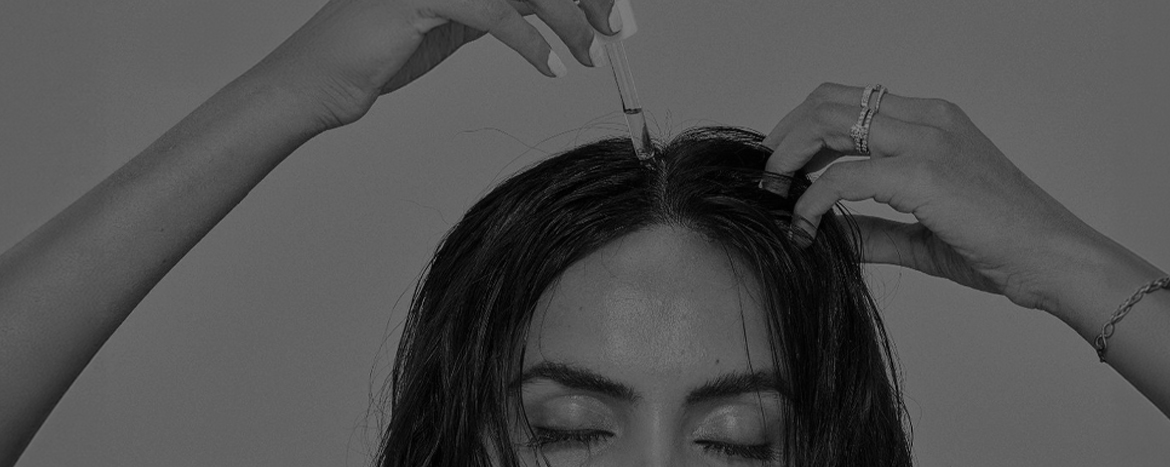
- Your scalp is facial skin that continues upward—scalp health directly influences hair quality and requires the same preventative attention
- UV radiation damages both hair protein structure and skin collagen through identical oxidative pathways, requiring year-round protection
- A curated haircare routine using clinically tested formulations supports long-term hair resilience, just as consistent skincare supports skin health
Hair and skin share the same embryonic origin and biological vulnerabilities, including protein degradation from UV exposure, moisture barrier dysfunction, and oxidative stress. Clinical evidence suggests that applying the same preventative, ingredient-focused approach used in skincare—such as bond-building treatments and targeted repair—supports healthier, more resilient hair over time.
The Hair-Skin Connection: Why Your Hair Health Deserves the Same Expert Attention as Your Skin
Your skincare routine likely involves carefully selected serums, targeted treatments, and preventative measures against environmental damage. Yet the hair emerging from your scalp—literally an extension of the same organ system—often receives far less considered attention. This disconnect reflects a broader misunderstanding: hair and skin aren’t separate entities requiring different approaches, but rather manifestations of the same biological tissue responding to identical stressors.
In clinical consultations, Dr Alek frequently observes clients who invest significantly in facial skincare whilst treating their hair as an afterthought, applying whatever shampoo happens to be on offer. This approach overlooks a fundamental reality: hair and skin share embryonic origins, protein structures, and vulnerabilities to UV damage, oxidative stress, and environmental ageing. The same biological principles that guide effective skincare apply equally to maintaining hair health over time.
Understanding this connection transforms how we approach haircare. Rather than viewing it as cosmetic maintenance separate from skin health, a clinically informed perspective recognises that your scalp is facial skin that continues upward, and that hair—though non-living once it emerges from the follicle—requires the same preventative, ingredient-focused care that characterises modern skincare. This article explores the biological foundation of the hair-skin connection and how applying clinical principles to your haircare supports long-term resilience and health.
Your bespoke skin journey naturally extends to include hair when you understand their shared vulnerabilities and the science-backed approaches that support both.
The Biological Foundation: Why Hair Is Actually Skin
Shared Embryonic Origins and Protein Structure
Hair and skin originate from the same embryonic layer—the ectoderm—during foetal development. This shared beginning means they’re constructed from similar cellular building blocks and maintain biological similarities throughout life. Both tissues rely primarily on keratin, a structural protein that provides strength and resilience. The keratin in your hair is a harder variant (alpha-keratin) than that in your skin’s outer layer, but the fundamental protein structure and the amino acids that comprise it remain remarkably similar.
This shared protein foundation means hair and skin respond to damage through comparable pathways. Oxidative stress—whether from UV exposure, pollution, or chemical processing—degrades protein structures in both tissues through similar mechanisms. Free radicals break down the peptide bonds and disulphide bridges that maintain structural integrity, leading to visible signs of damage: fine lines and loss of firmness in skin, breakage and texture changes in hair.
Clinical understanding of these shared vulnerabilities informs treatment approaches. Just as skincare focuses on supporting skin’s structural proteins through targeted ingredients and preventative protection, effective haircare addresses hair’s protein bonds and shields against the same environmental stressors. The principle remains consistent: protect existing structure, support repair mechanisms where possible, and prevent cumulative damage over time.
The Scalp-Skin Continuum: One Organ, Two Concerns
Your scalp represents a direct continuation of facial skin, sharing the same barrier function, sebaceous gland activity, and inflammatory responses. The skin of your forehead doesn’t suddenly become a different organ as it extends backwards across your scalp. Yet in practice, many people apply sophisticated skincare to their face whilst neglecting the scalp entirely, despite it being subject to the same environmental exposures and requiring similar barrier support.
Scalp health directly influences hair quality. A compromised scalp barrier—whether from harsh cleansing, inflammatory conditions, or environmental damage—affects the follicular environment where hair growth originates. Chronic inflammation or barrier dysfunction can influence sebum production, follicle health, and ultimately the quality of hair that emerges. In clinical observation, clients who extend their skincare principles to include scalp care often report improvements in both scalp comfort and hair condition over time.
This continuum perspective shifts haircare from isolated product application to an integrated approach. Gentle cleansing that respects barrier function, occasional targeted treatments that support scalp health, and protection against environmental stressors become as relevant to your scalp as to your face. The same principles that guide your curated skincare routine—consistency, appropriate product selection, and realistic expectations—apply equally when caring for your scalp and hair.
Understanding Hair Damage at the Molecular Level
How Disulphide Bonds Determine Hair Integrity
Hair’s strength derives primarily from disulphide bonds—chemical links between cysteine amino acids within keratin proteins. These bonds function like molecular crosslinks, holding the protein structure together and giving hair its characteristic strength and elasticity. When these bonds remain intact, hair maintains its structural integrity, resists breakage, and retains its natural texture and shine.
Disulphide bonds are remarkably strong under normal conditions, but they’re vulnerable to specific types of damage. Chemical processes that alter hair structure—permanent colouring, bleaching, chemical straightening, or perming—work by deliberately breaking these bonds to reshape the hair’s internal architecture. Heat styling above certain temperatures can also disrupt these bonds, particularly when applied repeatedly to the same sections of hair. Even environmental factors like UV exposure contribute to gradual bond degradation over time through oxidative stress.
K18 Leave-In Molecular Repair Hair Mask 50 ml
Once broken, disulphide bonds cannot spontaneously reform in their original configuration. Unlike skin, which continuously regenerates and can repair damage through cellular turnover, hair is non-living tissue once it emerges from the follicle. Damage accumulates along the hair shaft, with the oldest hair at the ends experiencing the most cumulative structural compromise. This fundamental difference between hair and skin explains why preventative care and targeted bond support become essential for maintaining hair health over time.
Chemical Processing, Heat, and Environmental Stressors
Chemical hair treatments work by intentionally disrupting the hair’s protein structure. Permanent hair colour, for instance, requires alkaline agents to open the hair cuticle and oxidative dyes to penetrate the cortex, processes that inevitably break disulphide bonds. Bleaching is particularly damaging, as it must break down melanin pigments within the hair shaft whilst simultaneously disrupting the surrounding protein structure. Each chemical service represents a structural insult that weakens hair’s internal architecture.
Heat styling presents a more subtle but cumulative threat. Research suggests that temperatures above 150°C begin to affect hair’s protein structure, with damage increasing significantly above 200°C. Flat irons, curling tongs, and even high-heat blow-drying can reach temperatures well above these thresholds. The damage isn’t always immediately visible—hair may appear smooth initially—but repeated heat exposure gradually degrades disulphide bonds, leading to increased porosity, reduced elasticity, and eventual breakage.
Environmental stressors compound these intentional sources of damage. UV radiation generates free radicals that attack protein structures through oxidative pathways. In South Africa’s high-UV environment, hair experiences significant photoageing, particularly during summer months when sun exposure is most intense. Chlorine from swimming pools, salt water, and even hard water minerals contribute additional stress. These environmental factors work synergistically with chemical and heat damage, accelerating structural degradation over time.
The Cumulative Nature of Hair Damage
Hair damage operates on a cumulative model rather than an acute one. Each instance of chemical processing, heat styling, or environmental exposure adds to the total structural compromise along the hair shaft. This accumulation means that hair becomes progressively weaker and more vulnerable to further damage over time. The ends of long hair have experienced months or years of cumulative exposure, explaining why they typically show the most visible damage regardless of current care practices.
This cumulative nature has important implications for haircare strategy. Unlike skin, where consistent care can visibly improve existing tissue through cellular renewal, damaged hair cannot truly “heal” or regenerate. The focus shifts instead to three complementary approaches: preventing new damage through protective practices, supporting existing structure through targeted treatments, and managing expectations about what’s achievable with already-compromised hair.
In clinical practice, Dr Alek emphasises that understanding this cumulative damage model helps clients make informed decisions about chemical services, heat styling frequency, and protective measures. Just as skincare focuses on preventing premature ageing rather than reversing decades of sun damage, effective haircare prioritises protection and structural support over promises of miraculous repair. Regular trims to remove the most damaged ends, combined with bond-building treatments and protective practices, support healthier hair over time through a realistic, science-informed approach.
Bond-Building Technology: The Clinical Approach to Hair Repair
What Bond-Building Treatments Actually Do
Bond-building technology represents a significant advancement in haircare, addressing damage at the molecular level rather than merely coating hair’s surface. These treatments utilise specific active ingredients designed to reconnect broken disulphide bonds within the hair’s protein structure. Whilst they cannot restore hair to its virgin state, clinical evidence suggests they can significantly improve structural integrity, reduce breakage, and enhance hair’s overall condition when used consistently.
The mechanism involves small molecules that penetrate the hair shaft and create new crosslinks between damaged protein chains. Unlike conditioning treatments that work primarily on the hair’s surface, bond-builders address internal structural damage. This distinction matters because surface treatments wash away over time, whilst bond repair—though still temporary—provides more lasting structural support. The result is hair that demonstrates improved strength, elasticity, and resistance to further damage.
Bond-building treatments work best as part of a preventative and maintenance approach rather than as emergency intervention for severely damaged hair. In practice, incorporating bond repair into regular haircare routines helps maintain structural integrity between chemical services, supports hair that’s regularly heat-styled, and provides ongoing protection against environmental stressors. The treatments complement rather than replace other haircare practices, working synergistically with proper cleansing, conditioning, and protective measures.
Bond-Building vs Protein Treatments vs Keratin: Understanding the Difference
The haircare market offers various treatment types, each serving different purposes despite sometimes being marketed with similar claims. Understanding these distinctions helps in selecting appropriate treatments for specific needs and avoiding confusion about what each approach can realistically achieve.
Bond-building treatments, as discussed, work internally to reconnect broken disulphide bonds. They address structural damage at the molecular level and provide relatively lasting benefits that accumulate with consistent use. These treatments are particularly valuable for chemically processed hair, regularly heat-styled hair, or hair exposed to harsh environmental conditions.
Protein treatments take a different approach, temporarily filling gaps in damaged hair with hydrolysed proteins—broken-down protein molecules small enough to penetrate the hair shaft. These proteins adhere to damaged areas, providing temporary strength and improved feel. However, they wash out gradually over subsequent shampoos and don’t create permanent structural changes. Protein treatments work well for hair that feels weak or overly elastic but can cause stiffness if overused, particularly on hair that isn’t significantly damaged.
Keratin treatments represent yet another category, coating hair with a semi-permanent layer that smooths the cuticle and reduces frizz. These treatments alter hair’s surface texture and can last several months, but they don’t address internal structural damage. Some keratin treatments use formaldehyde or formaldehyde-releasing agents to achieve their smoothing effect, which raises safety considerations. Whilst they create visibly smoother hair, they function more as a styling treatment than a repair treatment.
Olaplex No. 3: A Clinical Perspective on At-Home Bond Repair
Olaplex No. 3 Hair Perfector represents one of the most researched and widely recognised bond-building treatments available for at-home use. The formulation contains bis-aminopropyl diglycol dimaleate, a patented molecule designed to reconnect broken disulphide bonds. Clinical studies and extensive professional use suggest it provides measurable improvements in hair strength and condition when used consistently as part of a comprehensive haircare routine.
The treatment works best when applied to damp, towel-dried hair before shampooing—a pre-shampoo approach that allows the active ingredients to penetrate without interference from conditioning agents. This application method differs from traditional deep conditioning treatments applied after shampooing. Leaving the treatment on for a minimum of 10 minutes (or longer for more damaged hair) provides time for the bond-building process to occur before rinsing and proceeding with regular cleansing and conditioning.
Realistic expectations matter when incorporating bond-building treatments. Visible improvements in hair texture, strength, and manageability typically become apparent after 3-4 consistent applications over several weeks. Like skincare, haircare requires patience and consistency—dramatic overnight transformations don’t align with how hair’s protein structure responds to treatment. The cumulative benefits of regular use provide the most significant long-term support for hair health, particularly when combined with protective practices and appropriate product selection. Formulations such as Olaplex No. 3 support this ongoing maintenance approach, providing clinically tested bond repair that integrates seamlessly into your existing haircare routine.
UV Damage: The Shared Enemy of Hair and Skin
How UV Radiation Degrades Hair Protein Structure
UV radiation affects hair through the same oxidative mechanisms that damage skin’s collagen and elastin. UVA and UVB rays penetrate the hair shaft, generating free radicals that attack the protein structure from within. These reactive oxygen species break down the peptide bonds and disulphide bridges that maintain hair’s structural integrity, leading to progressive weakening of the hair shaft over time.
The damage manifests differently in hair than in skin due to hair’s non-living nature. Whilst skin responds to UV exposure through inflammatory responses and attempts at repair, hair simply accumulates damage without any regenerative capacity. The cuticle—the protective outer layer of overlapping cells—becomes roughened and lifted as UV exposure degrades the proteins that hold these cells in place. This cuticle damage increases porosity, allowing moisture to escape and making hair more vulnerable to mechanical damage and further environmental insults.
Melanin, the pigment that gives hair its colour, provides some natural UV protection by absorbing radiation before it can damage underlying protein structures. However, this protective effect comes at a cost—the melanin itself degrades under UV exposure, leading to the colour fading discussed below. Darker hair has more melanin and thus more inherent protection, but no hair colour is immune to UV damage over time. In South Africa’s high-UV environment, this photoageing process occurs more rapidly than in regions with lower UV indices, making protective measures particularly important.
Photoageing in Hair: Colour Fading and Texture Changes
UV-induced colour fading represents one of the most visible signs of hair photoageing. The same free radicals that damage hair’s protein structure also break down melanin pigments, causing gradual lightening and colour shifts. Natural brunette hair may develop reddish or brassy tones, whilst colour-treated hair loses vibrancy and fades unevenly. This process occurs in all hair exposed to UV radiation, though it’s most noticeable in darker shades and freshly coloured hair.
Texture changes accompany colour fading as cumulative UV damage affects hair’s internal structure. Hair becomes increasingly dry and brittle as damaged cuticles allow moisture to escape. The loss of protein integrity reduces hair’s natural elasticity, making it more prone to breakage during styling or even routine brushing. Split ends become more prevalent as weakened hair shafts fracture under normal mechanical stress. These texture changes progress gradually, often becoming noticeable only after months of unprotected sun exposure.
The photoageing process accelerates when UV damage combines with other stressors. Wet hair is particularly vulnerable to UV damage, as water swells the hair shaft and makes protein structures more accessible to oxidative attack. This explains why hair often feels noticeably more damaged after beach holidays or pool days—the combination of UV exposure, salt water or chlorine, and wet hair creates ideal conditions for accelerated structural degradation.
Protective Strategies for South African Sun Exposure
South Africa’s UV index regularly reaches extreme levels during summer months, with indices of 11 or higher common across much of the country. This intense UV exposure necessitates protective strategies that go beyond what might suffice in lower-UV environments. In clinical consultations, Dr Alek recommends a multi-layered approach to UV protection that mirrors comprehensive sun protection for skin.
Physical protection provides the most reliable defence. Wide-brimmed hats shield both scalp and hair from direct sun exposure, particularly valuable during peak UV hours between 10:00 and 16:00. For situations where hats aren’t practical, hairstyles that minimise exposed surface area—braids, buns, or covered styles—reduce the amount of hair subject to direct UV radiation. These simple protective measures significantly reduce cumulative UV damage over time.
MILK SHAKE Sun & More Incredible Milk
Leave-in treatments with UV filters offer additional protection for exposed hair. These formulations typically contain UV-absorbing molecules that intercept radiation before it can damage hair proteins, functioning similarly to sunscreen for skin. Application before sun exposure provides the most effective protection, with reapplication after swimming or extended outdoor time. Some formulations combine UV protection with conditioning agents, providing both protective and cosmetic benefits.
Complementing UV protection with bond-building treatments helps address any damage that occurs despite protective measures. Regular use of treatments like Olaplex No. 3 supports hair’s structural integrity, helping to counteract the cumulative effects of UV exposure. This combined approach—prevention through physical protection and UV filters, plus ongoing structural support through bond repair—provides comprehensive care for hair in South Africa’s challenging UV environment, much as your skincare routine combines sun protection with treatments that support skin health over time.
Building a Clinically Sound Haircare Routine
The Pre-Shampoo Treatment Approach
Pre-shampoo treatments represent a departure from traditional haircare sequencing, but they offer significant advantages for delivering targeted ingredients to the hair shaft. Applying bond-building treatments before shampooing allows active ingredients to penetrate damp hair without competition from conditioning agents or styling products. This approach maximises the treatment’s effectiveness whilst ensuring that subsequent cleansing removes any residue, leaving hair both treated and clean.
The method is straightforward: after wetting hair thoroughly, towel-dry to remove excess water—hair should be damp but not dripping. Apply the bond-building treatment from mid-lengths to ends, where damage typically concentrates. The scalp and roots generally need less treatment focus unless hair is uniformly damaged from chemical processing. Leave the treatment on for at least 10 minutes, though extending this to 30-45 minutes or even overnight for severely damaged hair can enhance results.
After the treatment period, proceed with your regular shampooing routine. The shampoo will remove the treatment along with any dirt, oil, or product buildup, so there’s no concern about residue weighing hair down. Follow with your usual conditioner, focusing on the ends. This pre-shampoo approach integrates seamlessly into existing routines—it simply adds one step before your normal cleansing process, similar to how you might apply a treatment mask before cleansing your face.
Frequency, Application, and Realistic Expectations
Bond-building treatments work best with consistent use rather than sporadic application. For most hair types and damage levels, once or twice weekly application provides optimal results without overloading hair. Severely damaged hair—particularly hair that’s been bleached, chemically straightened, or regularly heat-styled—may benefit from twice-weekly treatments initially, reducing to once weekly as hair condition improves.
Application technique influences effectiveness. Saturating hair thoroughly ensures the treatment reaches all damaged areas, but using excessive product doesn’t enhance results and represents unnecessary expense. A small amount distributed evenly through mid-lengths and ends typically suffices for shoulder-length hair, with quantities adjusted for longer or shorter lengths. Focusing product where damage concentrates—typically the oldest hair furthest from the scalp—provides the most efficient use of treatment.
Realistic expectations align with how hair responds to structural support over time. Visible improvements in texture, strength, and manageability typically emerge after 3-4 consistent applications over 4-6 weeks. Hair may feel smoother and more manageable after the first treatment, but cumulative structural benefits develop gradually. Like skincare, where consistent use of targeted treatments provides progressive improvement, haircare requires patience and regular application for optimal long-term results.
Integrating Haircare into Your Existing Skin Journey
The same principles that guide your curated skincare routine apply equally to haircare: consistency, appropriate product selection, and evidence-based approaches. In practice, many clients find that applying a bond-building treatment whilst their skincare masks work creates an efficient self-care ritual. Both treatments require time to work, making simultaneous application a practical approach that doesn’t extend your overall routine duration.
Product selection for hair should reflect the same discernment you apply to skincare. Clinically tested formulations with transparent ingredient lists and realistic claims deserve preference over products promising miraculous overnight transformations. Your bespoke skin journey naturally extends to include hair when you apply the same critical evaluation and evidence-based decision-making to haircare products and practices.
Integration also means recognising that hair and skin respond to similar protective measures. The sun protection you prioritise for your face applies equally to your hair and scalp. The gentle cleansing approach that respects your skin’s barrier function translates to choosing sulphate-free shampoos that clean effectively without stripping. The consistency you maintain with your skincare routine provides the template for effective haircare—regular, appropriate treatments that support long-term health rather than expecting immediate dramatic results.
Scalp Health: The Foundation of Hair Resilience
Treating Your Scalp with the Same Care as Your Face
Your scalp deserves the same considered attention you give your facial skin because it is, quite literally, the same tissue. The skin covering your scalp contains the same structural components—epidermis, dermis, and subcutaneous tissue—as facial skin. It has a similar density of sebaceous glands (actually higher than most facial areas), responds to inflammation through identical pathways, and requires the same barrier function to protect against environmental stressors.
Yet scalp care often gets reduced to shampoo selection alone, whilst facial skincare involves multiple targeted products and careful technique. This disparity doesn’t reflect any actual difference in need—it’s simply a gap in how we’ve traditionally approached hair and skin care. Extending your skincare principles to include scalp care means considering how your cleansing approach affects scalp barrier function, whether your scalp experiences inflammation that might benefit from soothing ingredients, and how environmental factors like UV exposure affect this often-exposed area.
Practical scalp care doesn’t require an elaborate separate routine. Gentle cleansing that removes buildup without stripping natural oils, occasional scalp-focused treatments when needed, and awareness of how your haircare products affect your scalp all contribute to better scalp health. Some people find that the same gentle, pH-balanced cleansers they use on their face work well for scalp cleansing, particularly if they experience sensitivity. The principle remains consistent: treat your scalp with the same respect and attention you give your face.
Inflammation, Barrier Function, and Hair Growth
Scalp health influences hair quality through multiple pathways, with inflammation and barrier function playing particularly important roles. Chronic scalp inflammation—whether from sensitivity to harsh products, environmental irritants, or underlying conditions—can affect the follicular environment where hair growth originates. Whilst inflammation doesn’t typically cause hair loss in healthy individuals, it can influence hair texture, growth rate, and overall scalp comfort.
The scalp’s barrier function works identically to facial skin’s barrier, preventing water loss whilst protecting against external irritants. Harsh cleansing, particularly with high-pH or sulphate-heavy shampoos, can compromise this barrier just as aggressive facial cleansing damages facial skin’s protective function. A compromised scalp barrier may become dry, itchy, or sensitive, and the resulting inflammation can create an suboptimal environment for healthy hair growth.
Supporting scalp barrier function follows the same principles as facial skin care: gentle cleansing that respects natural pH, avoiding over-washing that strips protective oils, and using products formulated to support rather than disrupt barrier integrity. For some people, this might mean shampooing less frequently, allowing the scalp’s natural sebum to provide some protective function. For others, particularly those with oilier scalps, it means choosing gentle cleansers that effectively remove excess oil without causing irritation or barrier disruption.
In clinical observation, clients who address scalp health alongside hair care often report improvements in both scalp comfort and hair condition. This makes biological sense—a healthy scalp provides a better environment for hair growth, whilst reduced inflammation and optimal barrier function support overall hair and scalp resilience. Your skin journey encompasses your entire integumentary system, and that naturally includes the often-overlooked skin of your scalp.
The SkinMiles Approach to Haircare
Curated Formulations That Meet Clinical Standards
SkinMiles extends the same rigorous curation to haircare that defines our skincare selection. Every product offered has been evaluated for clinical credibility, ingredient transparency, and realistic claims. This means you won’t find miracle promises or overnight transformation guarantees—instead, you’ll discover formulations backed by genuine research and professional use, products that deliver measurable results when used consistently as part of a comprehensive approach.
The curated selection includes bond-building treatments that work at the molecular level, protective products that shield against UV and environmental damage, and cleansing formulations that respect both hair and scalp health. Each product meets the same standards we apply to skincare: clinically tested ingredients, appropriate concentrations, and formulations designed to support long-term health rather than providing merely cosmetic surface effects.
This curation matters because the haircare market, like skincare, contains countless products making exaggerated claims with little scientific support. By filtering options through clinical evaluation, SkinMiles provides a destination where you can trust that recommended products represent genuine quality and effectiveness. Your haircare journey, like your skincare journey, benefits from expert guidance that helps you navigate options and select treatments appropriate for your specific needs and concerns.
Your Bespoke Hair and Skin Journey
Understanding the biological connection between hair and skin transforms both from separate maintenance tasks into an integrated approach to caring for your body’s largest organ system. Your skin journey naturally encompasses hair health when you recognise their shared origins, vulnerabilities, and responses to environmental stress. The same evidence-based, preventative approach that guides effective skincare applies equally to maintaining healthy, resilient hair over time.
This integrated perspective means your haircare routine reflects the same principles as your skincare: consistency, appropriate product selection, realistic expectations, and patience for cumulative results. It means recognising that dramatic overnight transformations aren’t how biological tissues respond to care, whether that tissue is facial skin or hair. It means valuing prevention and protection as highly as treatment, understanding that preventing damage proves more effective than attempting to reverse severe existing damage.
At SkinMiles, we guide this integrated approach through curated product selection, educational content that explains the science behind recommendations, and a commitment to transparency about what treatments can realistically achieve. As far as your skin and hair care is concerned, you’ve arrived at a destination that values clinical credibility over marketing hype, long-term health over quick fixes, and guided expertise over trial and error.
Your bespoke journey includes both the skin on your face and the skin on your scalp, both the collagen that supports facial structure and the keratin bonds that determine hair strength. By applying the same thoughtful, evidence-based approach to both, you support the health and resilience of your entire integumentary system. This comprehensive perspective represents the future of personal care—one where artificial divisions between skin and hair care dissolve in favour of an integrated, scientifically informed approach to caring for yourself.
—
Frequently Asked Questions
Why should I treat my hair with the same attention I give my skin?
Hair and skin originate from the same embryonic tissue and share identical vulnerabilities to UV damage, oxidative stress, and environmental ageing. Just as consistent skincare supports skin’s structural proteins, targeted haircare using clinically tested formulations helps maintain hair’s protein bonds and resilience over time.
What exactly is bond-building hair treatment and how does it work?
Bond-building treatments work at the molecular level to reconnect broken disulphide bonds—the structural links between keratin proteins that give hair its strength. When these bonds break due to chemical processing, heat styling, or environmental damage, hair becomes weak and prone to breakage. Bond-building formulations help restore these connections, supporting hair’s structural integrity.
How is Olaplex No. 3 different from a regular deep conditioning treatment?
Olaplex No. 3 is a bond-building treatment that works on hair’s internal protein structure, whilst traditional deep conditioners primarily coat the hair’s surface to improve feel and manageability. Bond-building technology addresses structural damage at the molecular level, making it complementary to, rather than replaceable by, conditioning treatments.
Can I use Olaplex No. 3 on colour-treated hair in South Africa’s climate?
Yes, bond-building treatments are particularly beneficial for colour-treated hair, which experiences structural damage during the colouring process. In South Africa’s high-UV environment, combining bond repair with sun protection helps maintain both colour vibrancy and hair integrity. Apply as a pre-shampoo treatment once or twice weekly for visible improvement over time.
How does UV damage affect hair differently than skin?
UV radiation degrades protein structures in both hair and skin through oxidative stress. In hair, this manifests as weakened disulphide bonds, colour fading, increased porosity, and texture changes. Unlike skin, hair cannot regenerate or repair itself, making preventative protection and bond-building treatments essential for maintaining hair health over time.
What’s the difference between bond-building, protein, and keratin treatments?
Bond-building treatments reconnect broken disulphide bonds within existing hair structure. Protein treatments temporarily fill gaps in damaged hair with hydrolysed proteins that wash out over time. Keratin treatments coat hair with a semi-permanent layer that smooths texture but doesn’t address internal structural damage. Each serves different purposes in a comprehensive haircare approach.
Should I apply hair treatments before or after shampooing?
Bond-building treatments like Olaplex No. 3 work best on damp, towel-dried hair before shampooing, allowing the active ingredients to penetrate without interference from conditioning agents. This pre-shampoo approach maximises bond repair whilst subsequent shampooing removes any residue, leaving hair clean and treated.
How does scalp health influence hair quality?
Your scalp is facial skin that continues upward, sharing the same barrier function, inflammatory responses, and cellular processes. A compromised scalp barrier or chronic inflammation can affect hair follicle health and hair quality. Treating your scalp with the same preventative care as your face—including gentle cleansing and barrier support—creates an optimal environment for healthy hair growth.
How long does it take to see results from bond-building treatments?
Clinical experience suggests visible improvement in hair texture, strength, and manageability after 3-4 consistent applications, typically over 4-6 weeks. Like skincare, haircare requires patience and consistency—hair’s protein structure rebuilds gradually, and cumulative treatments provide the most significant long-term benefits.
Can I integrate premium haircare into my existing skincare routine?
Absolutely. In practice, many clients find that applying a bond-building treatment whilst their skincare masks work creates an efficient self-care ritual. Both hair and skin benefit from the same preventative, ingredient-focused approach. Your bespoke skin journey naturally extends to include hair health when you understand their shared biological foundation.