

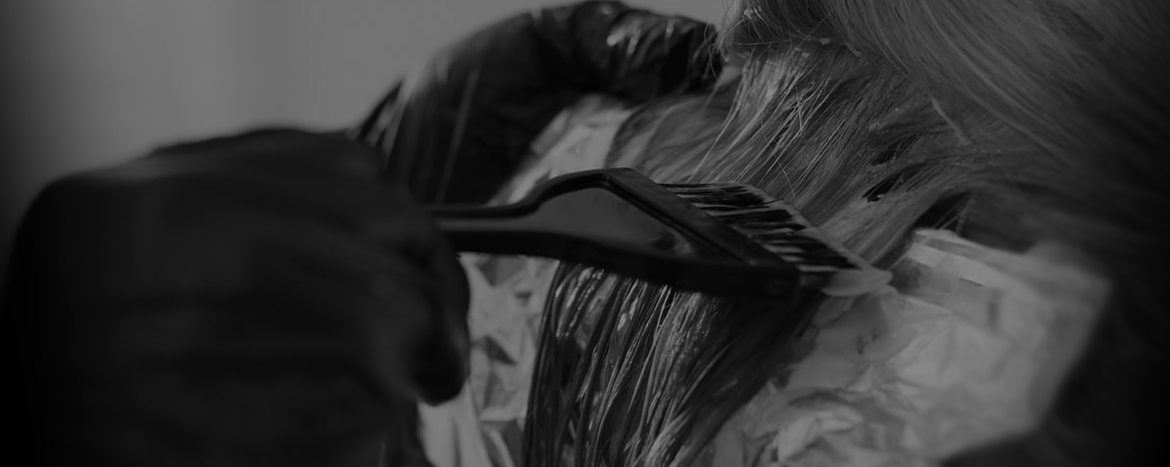
Protecting colour-treated hair requires understanding how colour fades and implementing a multi-layered approach: gentle cleansing, cuticle-sealing conditioning, toning maintenance, and environmental protection.
- Colour fade occurs through oxidation, heat damage, and cuticle disruption—all preventable with targeted care
- Sulphate-free formulations preserve colour molecules by maintaining cuticle integrity and preventing premature stripping
- Toning shampoos neutralise unwanted undertones between salon visits, extending colour vibrancy without re-colouring
- Heat protection and UV filters are non-negotiable for colour-treated hair exposed to environmental stressors
- Strategic product layering—cleanser, conditioner, treatment, protectant—creates a comprehensive fade-resistant routine
Colour-treated hair requires specialised care to prevent premature fading. The key protective strategies include using sulphate-free cleansers, minimising heat exposure, applying UV protection, and incorporating colour-depositing treatments. Clinical experience shows properly maintained colour can remain vibrant for 8-12 weeks rather than the typical 4-6 weeks.
Colour-Treated Hair: How to Protect and Prolong Your Colour
Colour-treated hair represents a significant investment—both financially and in terms of ongoing maintenance. Yet many find their vibrant salon colour fading to dullness within weeks rather than months. The difference between colour that lasts six weeks and colour that remains vibrant for twelve lies not in the dye itself, but in how you protect it afterwards. Understanding the chemistry of colour loss allows you to build a targeted hair care routine that preserves your investment whilst maintaining hair health.
In clinical practice, the most common complaint about colour-treated hair centres on premature fading. Clients return frustrated, assuming their colourist used inferior products, when the reality often lies in their home care approach. The cuticle layer—your hair’s protective outer shield—plays the central role in colour retention. When compromised, it allows colour molecules to escape whilst simultaneously making hair vulnerable to environmental damage. Your colour’s longevity depends entirely on maintaining cuticle integrity.
Why Colour Fades: Understanding the Chemistry of Colour Loss
The Three Primary Causes of Colour Degradation
Colour molecules sit within your hair’s cortex, the middle structural layer beneath the cuticle. For permanent colour to deposit, the cuticle must be lifted through alkaline processing, allowing colour to penetrate. Once processing completes, the cuticle should seal, trapping colour molecules inside. Colour fades when these molecules escape through compromised cuticles or when they oxidise whilst still embedded in the hair shaft.
Water exposure represents the primary cause of colour loss. Each time you wash, water molecules penetrate the hair shaft, causing it to swell. This mechanical action forces cuticle scales to lift, creating pathways for colour molecules to escape. Hot water accelerates this process significantly—the heat causes more dramatic swelling and opens cuticles wider. This explains why colour fades faster with frequent washing, particularly with hot water.
Oxidation occurs when colour molecules react with oxygen, breaking down their chemical structure and altering their appearance. UV radiation accelerates oxidative damage dramatically. Sun exposure doesn’t just lighten hair through bleaching—it fundamentally changes colour molecules at a chemical level. This process affects all colour types but proves particularly destructive to red and copper tones, which contain larger, more fragile molecules.
Heat styling creates a dual threat. The high temperatures temporarily open cuticles, allowing colour escape, whilst simultaneously accelerating oxidation through thermal degradation. Tools exceeding 180°C cause protein denaturation—essentially cooking the hair’s structure—which permanently compromises the cuticle’s ability to retain colour.
How Different Colour Types Fade Differently
Permanent colour uses small molecules that penetrate deeply into the cortex. These prove more stable than semi-permanent formulations but still vulnerable to the mechanisms described above. Permanent colour typically fades by becoming lighter and losing vibrancy rather than washing out completely. The underlying pigment remains whilst surface molecules escape.
Fashion colours—vivid blues, purples, pinks—use larger molecules that cannot penetrate as deeply. These sit closer to the cuticle surface, making them exceptionally vulnerable to water loss. Clients with fashion colours often observe dramatic fading after just a few washes. The trade-off for intensity is longevity; these shades require frequent refreshing.
Red and copper tones fade fastest across all colour categories. Red molecules are larger than other colour molecules, making them more difficult to trap within the cortex. They escape more easily through compromised cuticles. Additionally, red pigments oxidise rapidly when exposed to UV radiation, shifting towards orange and brassy tones.
Blonde colour—whether highlights, balayage, or all-over—faces a different challenge. Rather than fading, blonde hair develops unwanted warm tones as underlying pigments oxidise. The brass and yellow tones emerge from the hair’s natural melanin responding to environmental stressors. This requires toning rather than colour replacement.
The Cuticle’s Role in Colour Retention
The cuticle consists of overlapping scales, similar to roof tiles. When healthy and sealed, these scales lie flat, creating a smooth surface that reflects light and traps colour molecules within the cortex. Chemical processing, heat styling, and mechanical damage from brushing all lift these scales, creating a rough, porous surface.
Porosity—the hair’s ability to absorb and retain moisture—directly correlates with colour retention. High porosity hair, characterised by lifted cuticles, absorbs colour readily during processing but releases it just as quickly. The compromised cuticle structure cannot maintain a seal. This explains why damaged hair often shows uneven colour results and rapid fading.
Colour-treated hair becomes more porous through the colouring process itself. The alkaline environment necessary for colour deposition permanently alters cuticle structure to some degree. This means colour-treated hair requires ongoing cuticle-sealing treatments to maintain its protective barrier. Without intervention, porosity increases with each subsequent colour service, creating a cycle of progressive damage.
Building a Fade-Resistant Colour Care Routine
Cleansing Without Stripping: Sulphate-Free Formulations
Sulphates—specifically sodium lauryl sulphate and sodium laureth sulphate—are aggressive surfactants that strip both natural oils and colour molecules. Whilst effective at removing buildup, they prove too harsh for colour-treated hair. The same mechanism that removes dirt also removes colour, particularly during the critical first two weeks post-colouring when colour molecules remain most vulnerable.
Sulphate-free cleansers use gentler surfactants that clean without aggressive stripping. These formulations maintain the scalp’s natural pH balance whilst preserving colour integrity. Clinical experience shows clients using sulphate-free shampoos maintain vibrant colour for 8-12 weeks compared to 4-6 weeks with conventional shampoos.
Washing frequency matters as much as product choice. Each wash cycle represents an opportunity for colour loss. Extending time between washes—ideally to every 2-3 days—significantly improves colour longevity. Dry shampoo between washes absorbs scalp oils without water exposure, maintaining freshness without compromising colour.
Water temperature requires attention. Lukewarm water cleanses effectively whilst minimising cuticle disruption. Reserve cold water for the final rinse—the temperature shock causes cuticles to contract and seal, trapping colour molecules and creating shine. This simple adjustment provides measurable improvement in colour retention.
Conditioning for Cuticle Sealing and Colour Lock
Conditioning serves a dual purpose for colour-treated hair: it provides moisture whilst sealing the cuticle to prevent colour escape. Every wash should include conditioning from mid-length to ends, avoiding the scalp unless dealing with overall dryness. The conditioning step represents your primary defence against colour fade.
Colour-specific conditioners contain ingredients that coat the hair shaft, filling gaps in the cuticle layer and creating a protective barrier. These formulations often include UV filters and antioxidants that address oxidative colour degradation. Whilst regular conditioners provide moisture, they lack these protective elements crucial for colour retention.
MUK HAIRCARE Vivid Muk Colour Conditioner
Application technique impacts effectiveness. Distribute conditioner evenly through damp hair, focusing on previously coloured sections where cuticles prove most compromised. Allow 2-3 minutes contact time for ingredients to penetrate and seal. Rushing this step undermines the product’s protective benefits.
Leave-in conditioners provide ongoing protection between washes. These lightweight formulations continue sealing cuticles and blocking environmental stressors throughout the day. For those with dry or dehydrated hair, leave-in products prove particularly valuable, addressing both moisture needs and colour protection simultaneously.
Weekly Treatments: Deep Conditioning and Colour Depositing
Weekly deep conditioning treatments repair cumulative damage from environmental exposure and styling. These intensive formulations contain higher concentrations of proteins and moisturising agents that penetrate more deeply than daily conditioners. Consistent weekly treatments measurably improve cuticle integrity and colour retention.
OSMO Colour Save Radiance Mask
Colour-depositing treatments refresh faded tones between salon visits. These contain small amounts of pigment that adhere to the hair shaft, reviving vibrancy without the commitment of permanent colour. Frequency depends on colour type—fashion colours may require weekly depositing, whilst natural tones need only monthly refreshing.
MILK SHAKE Colour Maintainer Conditioner
Heat activation enhances treatment penetration. Applying gentle heat—through a warm towel or processing cap—opens cuticles slightly, allowing treatment ingredients to penetrate more effectively. This proves particularly beneficial for low-porosity hair that resists product absorption. Limit heat to 10-15 minutes to avoid over-processing.
Heat and UV Protection: Non-Negotiable Daily Defence
Heat protectants create a thermal barrier between styling tools and hair. These products contain silicones and polymers that distribute heat evenly whilst preventing direct contact with the hair shaft. Applied to damp hair before blow-drying, they reduce thermal damage by up to 50%. Never style colour-treated hair without heat protection.
Temperature control matters significantly. Modern styling tools often reach 230°C—far exceeding the temperature necessary for styling. Colour-treated hair requires lower temperatures: 150-180°C for fine hair, 180-200°C for coarse hair. Investing in tools with precise temperature control prevents unnecessary thermal damage.
UV protection proves equally crucial. Hair care products containing UV filters shield colour from photodegradation. These work similarly to facial sunscreen, absorbing or reflecting UV radiation before it reaches colour molecules. For extended sun exposure—beach days, outdoor activities—wear physical protection through hats or scarves.
Environmental protection extends beyond UV. Chlorine and salt water both strip colour and damage cuticles. Before swimming, saturate hair with clean water and apply a protective leave-in treatment. The hair shaft can only absorb so much water; pre-saturating prevents chlorine or salt absorption.
Toning Strategy: Maintaining Colour Between Salon Visits
How Toning Shampoos Work: Colour Theory in Practice
Toning shampoos deposit pigment whilst cleansing, using colour theory principles to neutralise unwanted tones. Purple shampoo contains violet pigments that sit opposite yellow on the colour wheel, cancelling brass in blonde hair. Blue shampoo neutralises orange tones in brunettes. This represents genuine colour correction, not merely cosmetic coverage.
OLAPLEX No. 4-P Blonde Enhancer Toning Shampoo
The pigment in toning shampoos attaches to the hair’s outer cuticle layer rather than penetrating the cortex. This provides temporary colour adjustment that gradually fades with subsequent washes. The effect accumulates with consistent use—regular toning maintains neutral tones whilst preventing brass from developing.
Toning works through colour subtraction rather than addition. The deposited pigment doesn’t change your underlying colour; it masks unwanted warm tones that emerge as colour oxidises. This explains why toning proves ineffective on virgin hair—there are no unwanted tones to neutralise.
Choosing the Right Toning Product for Your Colour
Purple shampoo suits blonde hair with yellow or golden brass. This includes platinum, ash, and cool blonde shades. The violet pigment neutralises yellow, maintaining cool, bright tones. However, purple shampoo proves ineffective on orange brass—a common misconception that leads to disappointing results.
Blue shampoo addresses orange tones in darker blonde and brunette hair. If your colour pulls warm or brassy rather than yellow, blue pigments provide appropriate correction. This particularly benefits balayage and highlights in darker bases where orange tones emerge as colour fades.
Silver shampoos combine purple and blue pigments, offering broader toning capabilities. These suit grey coverage colours and blended blonde-brunette looks where both yellow and orange tones may appear. The combined pigments provide more comprehensive toning than single-colour formulations.
Red and copper tones require colour-depositing rather than toning products. These shades fade by losing intensity rather than developing brass. Colour-depositing treatments in matching shades—copper, auburn, burgundy—refresh vibrancy by replacing lost pigment molecules.
Application Frequency: Finding Your Toning Balance
Toning frequency depends on your hair’s porosity and colour type. Highly porous hair absorbs toning pigments rapidly, requiring less frequent application—perhaps once weekly. Lower porosity hair resists pigment absorption, potentially tolerating 2-3 times weekly toning without over-depositing.
Over-toning creates its own problems. Excessive purple pigment deposits create an ashy, dull appearance or, in extreme cases, a purple cast. This proves particularly problematic on porous hair or platinum shades. If you notice diminishing brightness, reduce toning frequency.
Alternating toning shampoo with your regular colour-safe cleanser provides balanced maintenance. Many clients find success using toning shampoo once or twice weekly whilst using sulphate-free cleansers for other washes. This prevents over-toning whilst maintaining brass control.
Processing time affects intensity. Leaving toning shampoo on for 3-5 minutes allows more pigment deposit than immediate rinsing. Begin conservatively—brief contact time, infrequent use—then adjust based on results. You can always increase toning intensity, but correcting over-toned hair requires professional intervention.
—
Your bespoke colour care journey begins with understanding these fundamental principles. Colour retention isn’t mysterious—it’s chemistry. By protecting your cuticle integrity, minimising oxidative stress, and using appropriate toning strategies, you extend your colour’s vibrancy significantly. The investment you made in salon colour deserves equally considered home care. As far as maintaining vibrant, healthy colour-treated hair is concerned, you’ve arrived at the right destination.
Frequently Asked Questions
How often should I wash colour-treated hair to prevent fading?
Ideally every 2-3 days using sulphate-free cleansers. Each wash cycle represents an opportunity for colour loss, so extending time between washes significantly improves colour longevity. Use dry shampoo between washes to maintain freshness without water exposure.
Do purple shampoos work on all blonde shades, or only certain tones?
Purple shampoo specifically neutralises yellow brass in blonde hair. It proves ineffective on orange tones—a common misconception. If your blonde pulls warm orange rather than yellow, you need blue shampoo instead. Purple shampoo works best on platinum, ash, and cool blonde shades.
Can I use regular conditioner on colour-treated hair, or must it be colour-specific?
Regular conditioner provides moisture but lacks the UV filters and cuticle-sealing ingredients crucial for colour protection. Colour-specific formulations contain protective elements that actively prevent colour fade and oxidative damage. The difference becomes measurable over weeks.
How long after colouring should I wait before washing my hair?
Wait 48-72 hours post-colouring. This allows colour molecules to fully oxidise and stabilise within the cortex. Washing too soon—particularly with hot water—disrupts this process, causing premature colour loss and uneven results.
Does heat styling cause more colour fade than sun exposure?
Both prove damaging through different mechanisms. Heat styling opens cuticles and causes thermal degradation, whilst UV radiation creates oxidative damage that chemically alters colour molecules. Sun exposure typically proves more destructive to colour longevity, particularly for red and copper tones. Both require protection—heat protectants for styling, UV filters for sun exposure.
Related Articles
- building a comprehensive hair care routine
– Links to parent pillar for readers wanting complete routine framework beyond colour-specific care - understanding the underlying damage mechanisms
– Colour processing causes structural damage—sibling article provides deeper context on damage types - addressing frizz that often accompanies colour-treated hair
– Colour-treated hair has compromised cuticles, making it prone to frizz—sibling article covers frizz management - maintaining moisture balance in processed hair
– Colour processing depletes moisture—sibling article provides deep hydration strategies